Blog by Robbie Mabbett.
“Remember, remember, the 5th of November, gunpowder, treason and plot.” Tonight is Bonfire Night, the annual commemoration of the foiled plot to blow up King James I and the House of Lords during the State Opening of Parliament in London on 5 November, 1605. It was hoped it would be a prelude to a popular Catholic rebellion in the Midlands. To remember the events, archaeologist Robbie Mabbett takes us on a mini tour of some of the historical places close to Leicestershire’s borders which were directly linked with the Gunpowder Plot.
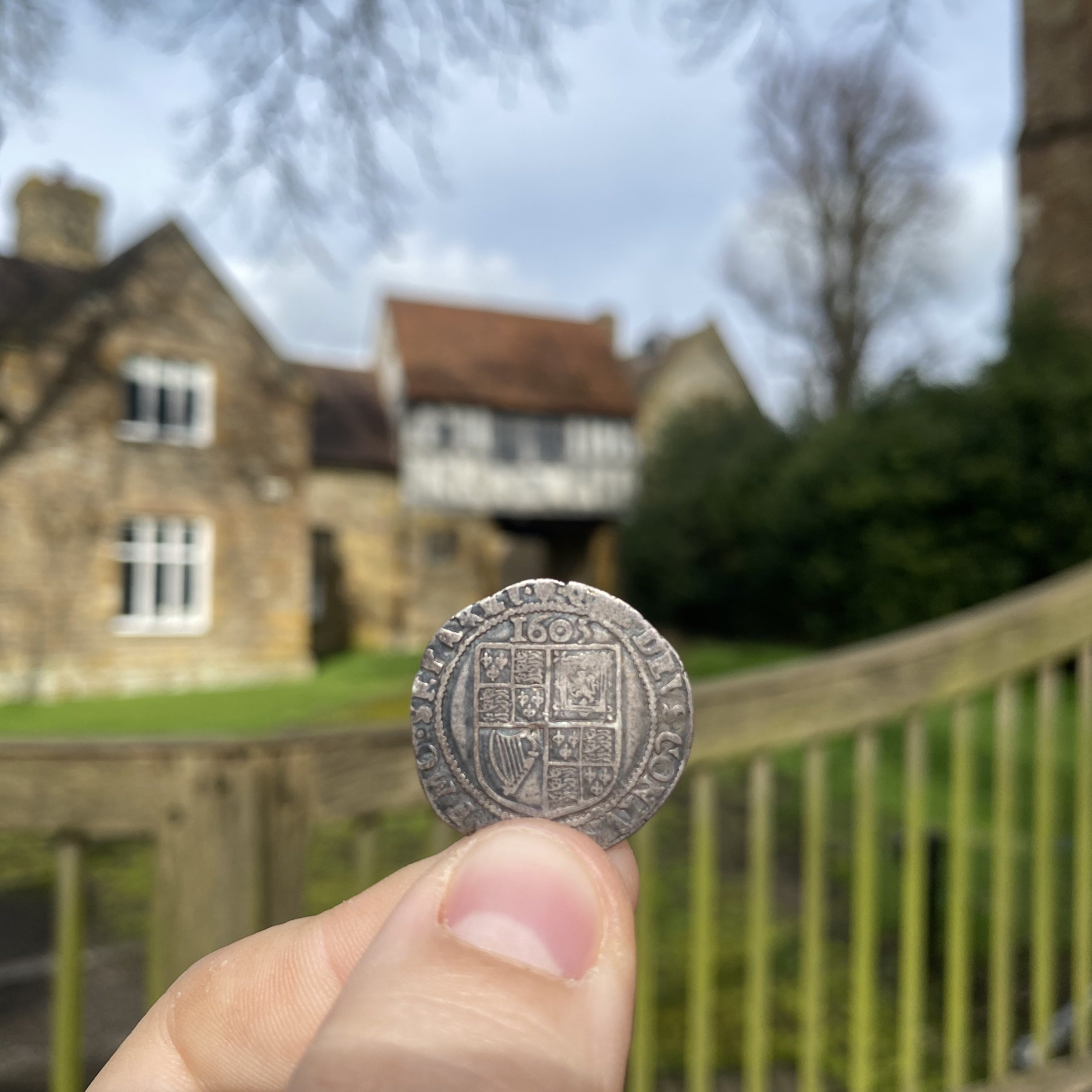
The Plot was very much a Midlands affair and there are numerous wealthy homes and historical places close to Leicestershire which people may wander past without knowing the true extent to which they were involved in a very famous part of history. Seeking them out, I thought I could shed a little light on these places and by sharing what I enjoy doing outside of archaeological work, others may like to explore the history around them too!
On the morning of Tuesday 5 November, 1605, a day when a newly appointed Parliamentary session was to open, the City of London woke to the discovery of a gunpowder plot. Disturbed in the undercroft beneath the houses of Parliament the night before, a mysterious figure with the alias ‘John Johnson’ (Guy Fawkes) was found hiding with a dangerously large number of thirty-six barrels of powder. His arrest led to the collapse of the conspiracy, with the plotters fleeing London back to the Midlands.
Ashby St Ledgers, Northamptonshire

Ashby Manor House, quietly situated in the little village of Ashby St Ledger in Warwickshire, was once the home of Robert Catesby, the leader of the 1605 Gunpowder Plot conspiracy. The Catesbys acquired the house when John de Catesby of Ladbroke married Emma Cranford in AD 1375. The family’s rise to prominence would come in the late 15th century, with Sir William Catesby serving as councillor to King Richard III of England and as chancellor of the exchequer. However, this was short lived and following King Richard’s defeat at the Battle of Bosworth on 22 August, 1485, William Catesby was captured and later executed in the nearby town of Leicester! The Catesby family estates (including Ashby manor) were temporarily confiscated by the newly crowned King Henry VII, but in 1496 some of the Catesby lands were restored and thus eventually passed to his great-great-great-grandson Robert Catesby.
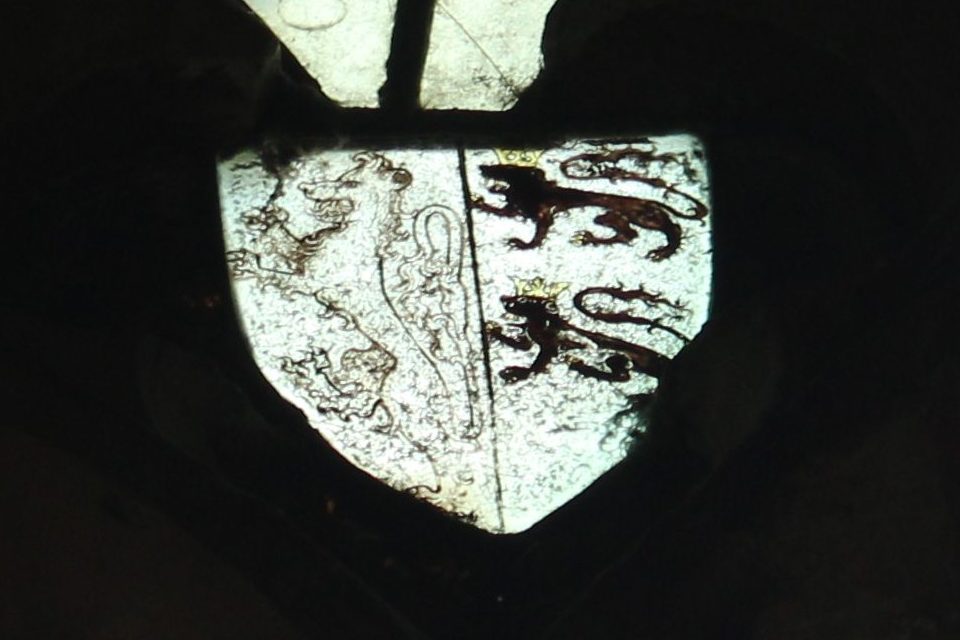
Robert Catesby was another Catesby who found himself on the wrong side of history. Before he led the infamous Gunpowder Plot, his minor involvement in the failed Earl of Essex’ 1601 rebellion against Queen Elizabeth I saw him imprisoned at the Wood Street Compter (a prison in London) and paying a fine of 4,000 marks.
The central location of Catesby’s home at Ashby St Ledger made it ideal as a ‘command centre’ for the Plot. The conspirators used the room above the gatehouse for their scheming and meetings. This was an attempt to distance the plot from the manor for privacy and to protect Catesby’s mother who lived within. This later proved to be a good decision.

When Robert Catesby, Thomas Bates, Ambrose Rookwood, Thomas Percy, and Christopher and John Wright fled from London after the plot failed, they reached Ashby St Ledger by the evening of 5 November where Catesby broke the news to fellow conspirator Thomas Winter and said goodbye to his mother before proceeding to Dunchurch to the west. In the aftermath of the Plot the manor was confiscated by the Crown as the property of a traitor. However, Robert’s mother Anne Catesby held a large portion of the property in her own name which preserved part of the estate until she died in 1611, after which it was sold off.
Coombe Abbey, Warwickshire
The plan of the Gunpowder Plot is well known. To blow-up parliament, the king and his family, and all the lords who persecuted English Catholics. It was hoped that this would serve as the catalyst for Phase 2 of the Plot. This would begin with securing the king’s daughter, Princess Elizabeth. She was just nine years of age in 1605, and whilst a non-Catholic, the conspirators planned to convert and manipulate her as a figurehead to favour Catholicism in England. During this time, Elizabeth was staying at the Coombe Abbey estate of Sir John Harrington, her guardian protector. To get to her, the conspirators would need to deal with Harrington first, which they planned to do by trickery and force.
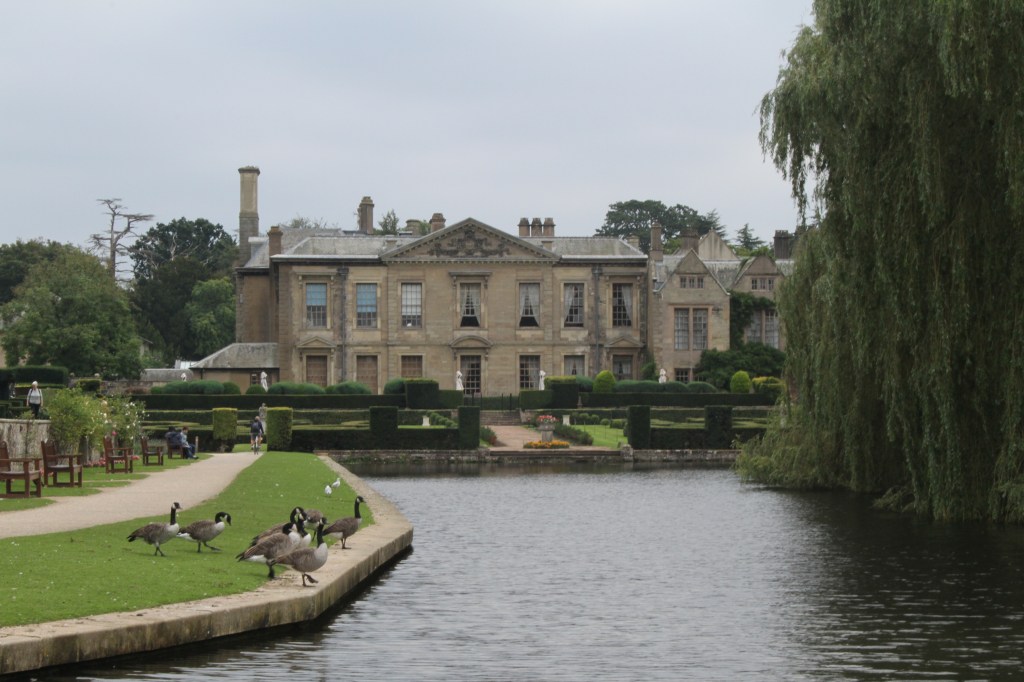
On 5 November, a mock ‘hunting party’ was to be staged nearby at Dunsmore Heath (close to Dunchurch). This was to be led by Everard Digby of Stoke Dry in Rutland (one of the wealthier conspirators with property in Leicestershire and Rutland) who would invite the Catholic gentry of the Midlands region to join him. Harrington was also invited, to keep him away from Coombe Abbey leaving the princess vulnerable to kidnapping. The hunt also doubled as a means of recruitment for a Catholic rising, the plotters believing many would join their cause once they broke the news of the King’s death. Two crucial gambles with this idea did not pay off, however. Firstly, Harrington declined the offer of a hunt and later, after catching wind of a treason plot against the royal family, he had Princess Elizabeth moved inside the safe city walls of Coventry. Secondly, very few Catholics joined the uprising once Digby and Catesby revealed to them what the hunt’s purpose was really for. The plotters misjudged the mood amongst their fellow Catholics and only around forty men followed them, with desertions becoming common as they travelled across the West Midlands looking for more followers.
Dunchurch, Warwickshire
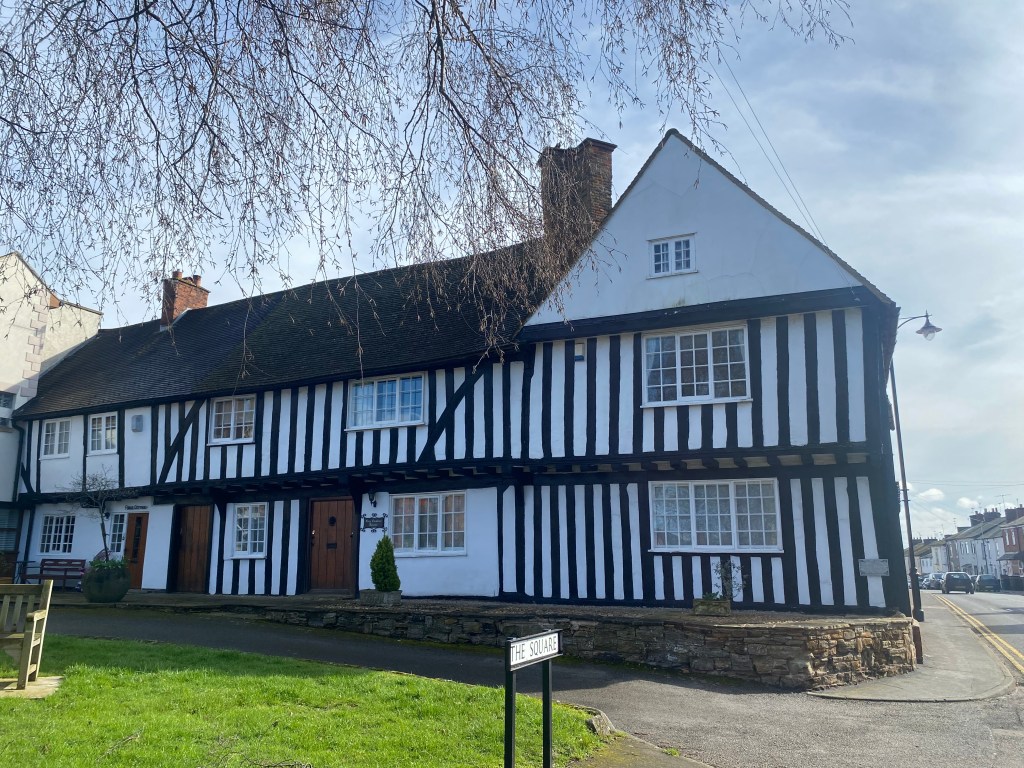
The ‘hunting party’ was to rendezvous at the Lion Inn in Dunchurch. The conspirators chose this place simply due to its convenient location close to both Ashby St Ledger and Coombe Abbey. Today, the 16th-century timber-framed building is a private residence, but it still honours its history by naming itself ‘Guy Fawkes House’, although he never owned nor visited the property.
Rushton Hall, Northamptonshire
With funds depleting, Catesby recruited the wealthier amongst his Catholic contacts. One of them being his cousin, Sir Francis Tresham of Rushton Hall in Northamptonshire. On 14 October 1605, Catesby met Tresham either at Ashby Manor House or at Rushton Hall and unveiled his plans for the following month. Rushton Hall was a safe haven for Catholics. Francis’ father Sir Thomas Tresham was a prominent recusant Catholic who was frequently fined and imprisoned during Queen Elizabeth I’s reign, and like Catesby, Francis was involved in the Earl of Essex’s rebellion in 1601.
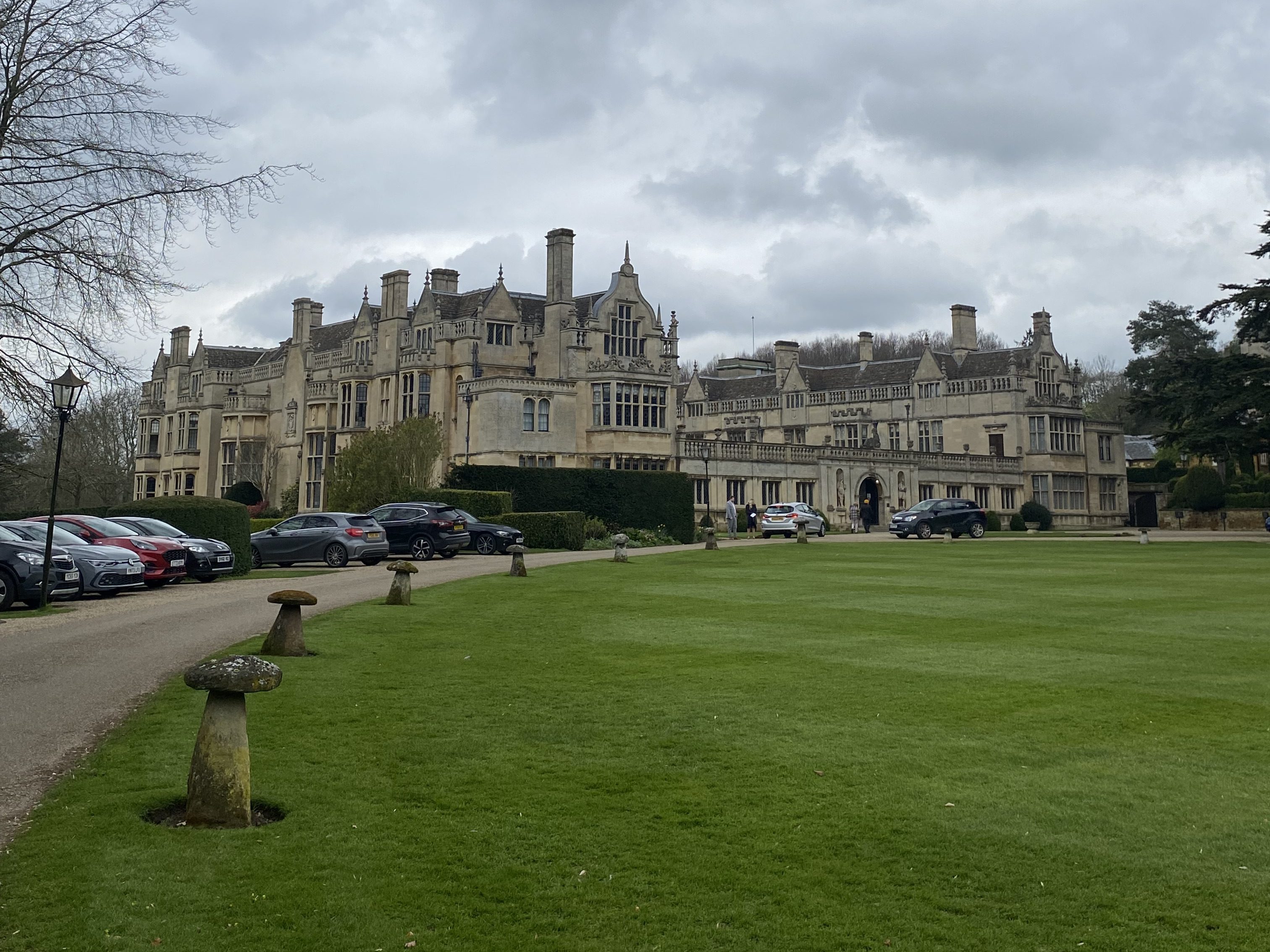
Joining very late in the plot, however, Tresham wasn’t seen as the most trustworthy amongst the group. Just four days later, he expressed deep concerns for his fellow Catholics and noble relatives such as his brothers-in-law, the Lords Stouton and Monteagle, who would be caught up in the explosion. Tresham suggested that if the Catholics within couldn’t be saved, then the explosion should be put off until a better time.
Sir Francis Tresham is a man bearing many question marks. He is likely the conspirator who inadvertently betrayed the plot after an anonymous letter of genuine concern was delivered on 26 October to Lord Monteagle. The content of the letter was an easily decoded riddle revealing that Parliament was to be struck from a place where they wouldn’t see it coming and suggesting that Monteagle should find an excuse to not be in attendance that day. Worried, Monteagle delivered the letter to the Privy Council and the King’s spy master, Robert Cecil.
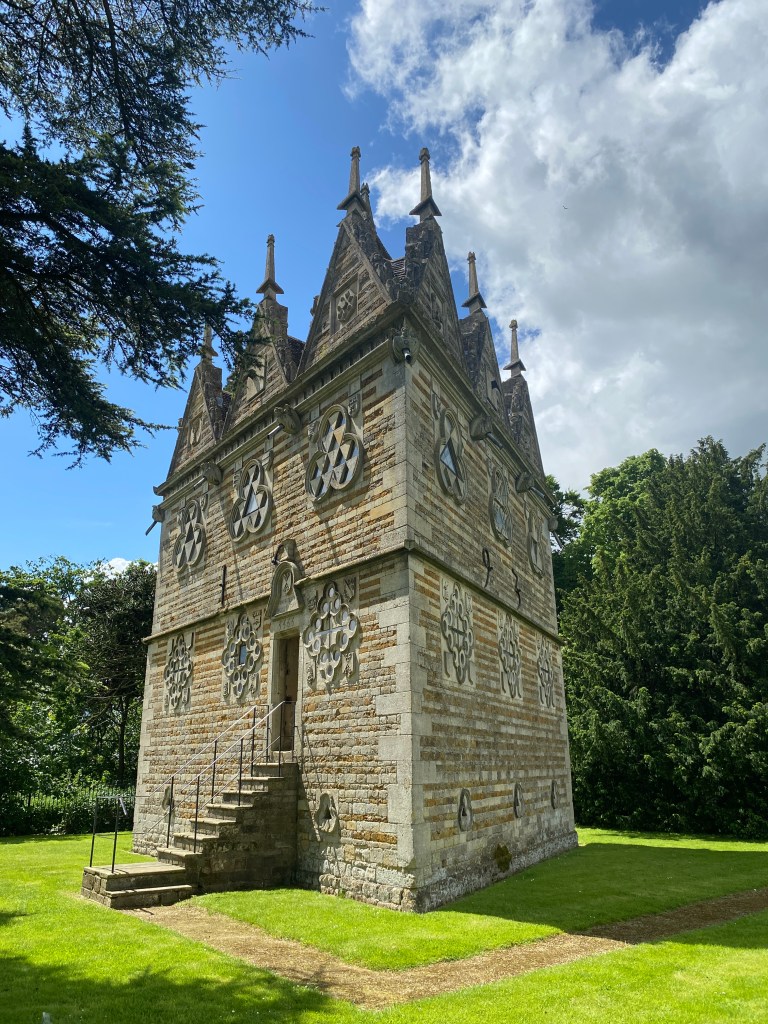
Looking at Rushton Hall raises an interesting thought that it may be the place where the plot began to unravel. The plot was a secret and dangerous conspiracy potentially killing hundreds of people and affecting thousands of people’s homes in London (like the Great Fire of London did in 1666), Catholics and Protestant alike. Conducted with so much craft, time and care, it seems to have been a fortunate incident that authorities took notice of it and found themselves on the edge of a national disaster! Search upon search amongst the houses of Parliament eventually led them to Guy Fawkes and the foiling of the plot.
With the conspiracy uncovered it took merely days before the rest of the plotters were either captured or killed at Holbeche House in Dudley. Of the three men mentioned in this blog, Robert Catesby was killed in the plotters’ last stand at Holbeche on 8 November 1605; Francis Tresham was arrested in London and was held in the Tower of London where he died of natural causes on 23 December before he could be executed with the other plotters; and Everard Digby gave himself up (the only conspirator to do so) and was tried for treason on 27 January 1606 before being hung, drawn and quartered on 30 January.
There are many other places nearby linked with the Gunpowder Plot and recusant Catholic families. More local Leicestershire sites include Donnington Manor House, Keythorpe Manor and Stoke Dry in Rutland (all linked with the Digby family), but also Coughton Court in Warwickshire (visited by some of the conspirators after their discovery) and Baddesley Clinton in Warwickshire (the home of Anne Vaux, a wealthy Catholic recusant and a cousin of Robert Catesby, famous for sheltering Catholic priests). So why not head out and explore!
 ULAS News