Blog by Nathan Flavell.
Forgotten World War II air raid shelters at Southfield’s Infant School in Leicester
Archaeology often brings us face‑to‑face with the distant past, but sometimes its most compelling discoveries lie just beneath our feet, hidden not for centuries, but for a single human lifetime. Such was the case at Southfields Infant School in Leicester, where demolition works in 2022 unexpectedly revealed a sprawling network of Second World War air raid shelters, sealed and silent since the 1940s. What began as routine archaeological monitoring of groundworks quickly unfolded into a rare opportunity for ULAS to record, in detail, the physical and emotional footprint of wartime civilian life, specifically the lives of Leicester’s schoolchildren. In this blog, archaeologist Nathan Flavell explores what was found.
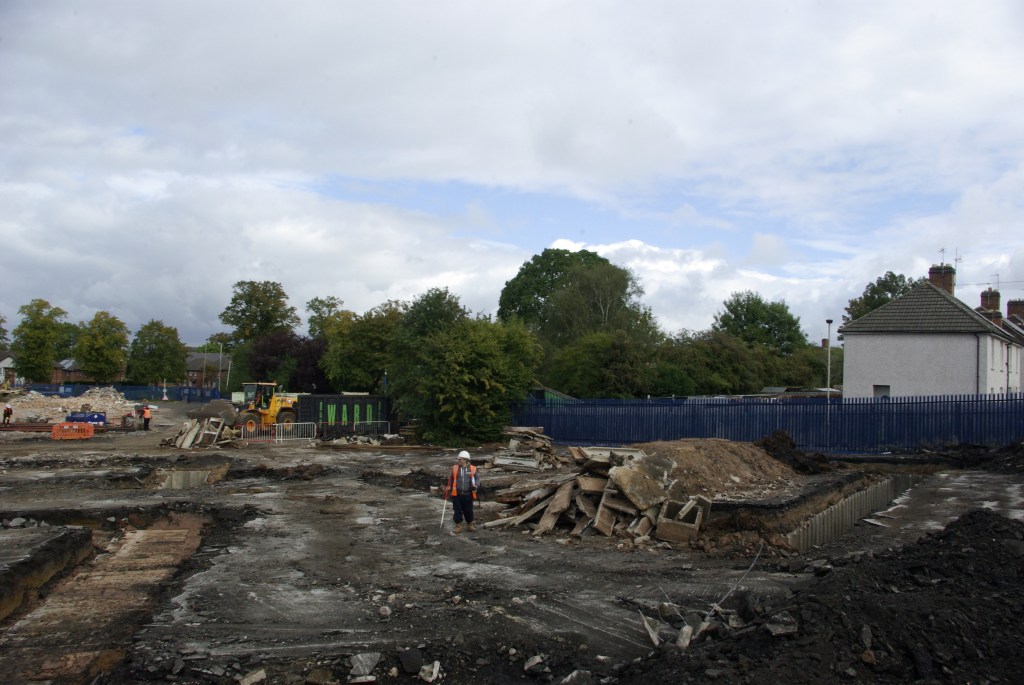
A Hidden Subterranean Landscape
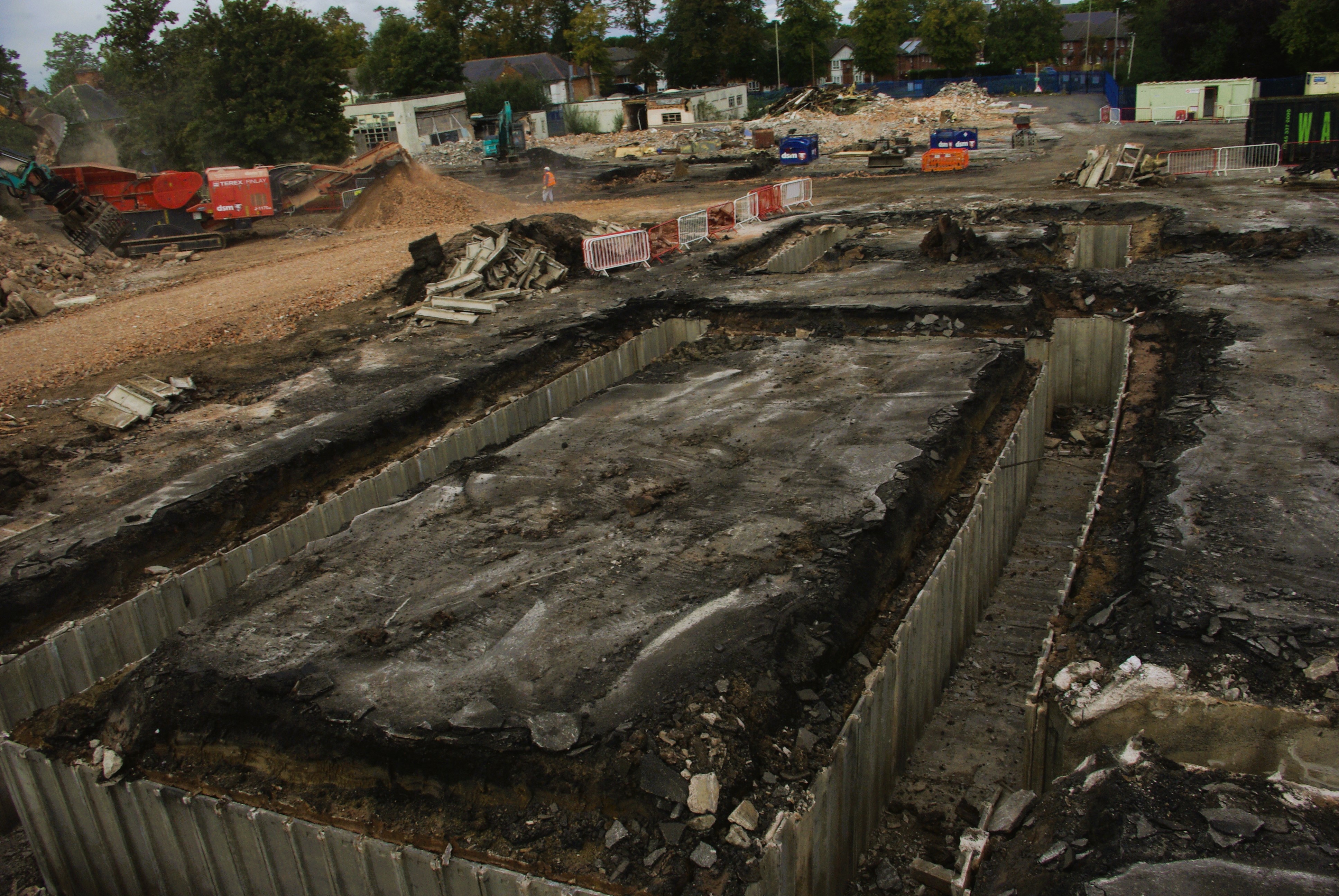
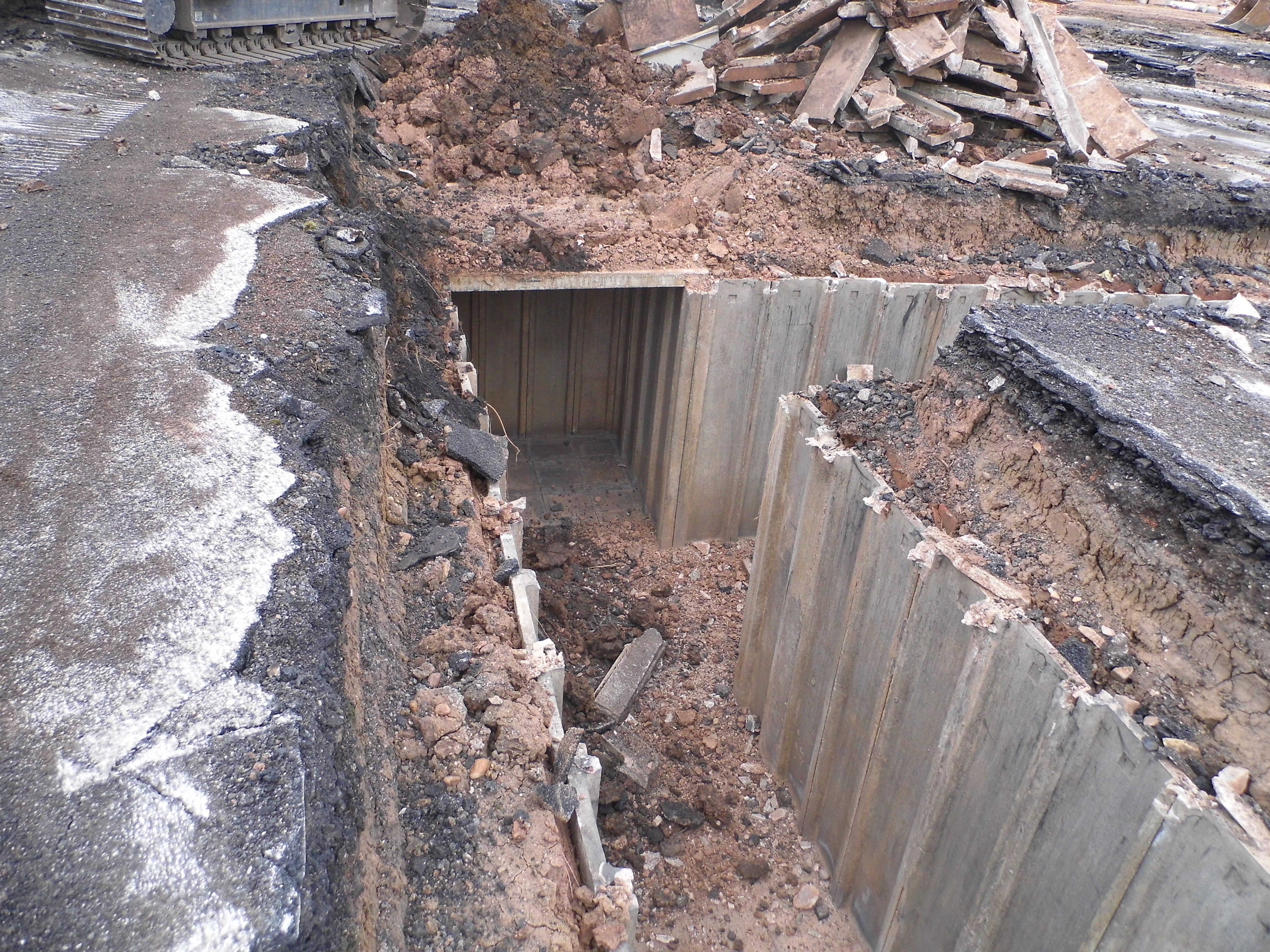
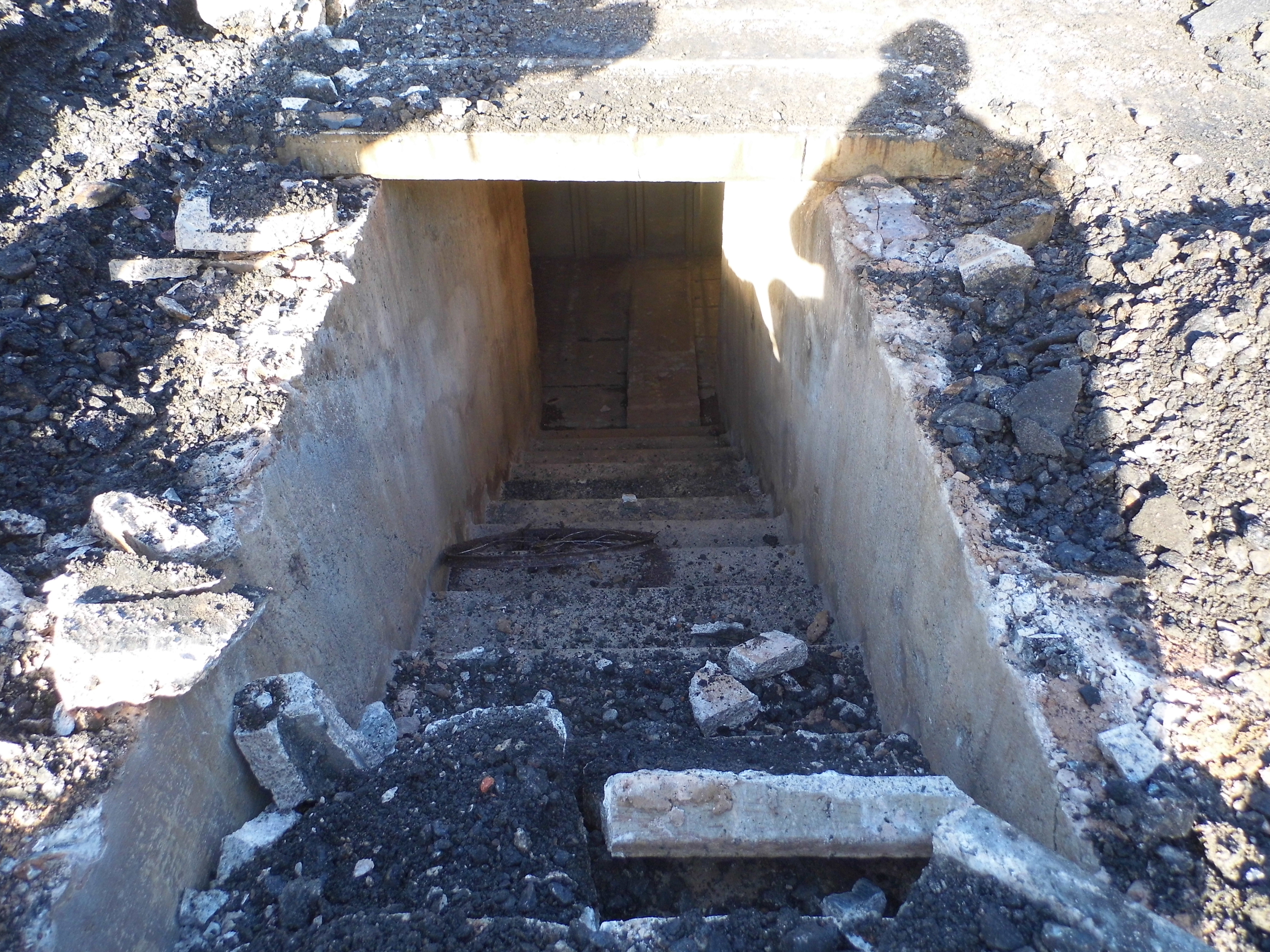
A total of six separate shelters emerged across the school grounds, each slotting ingeniously into the odd spaces of mid‑20th‑century playgrounds The shelters were built at the outbreak of the Second World War as part of nationwide precautions to protect schoolchildren during air raids. These shelters were built using pre-cast, steel-reinforced concrete panels, measuring roughly 1695 mm long and 385 mm wide, locked together with a tongue-and-groove system.
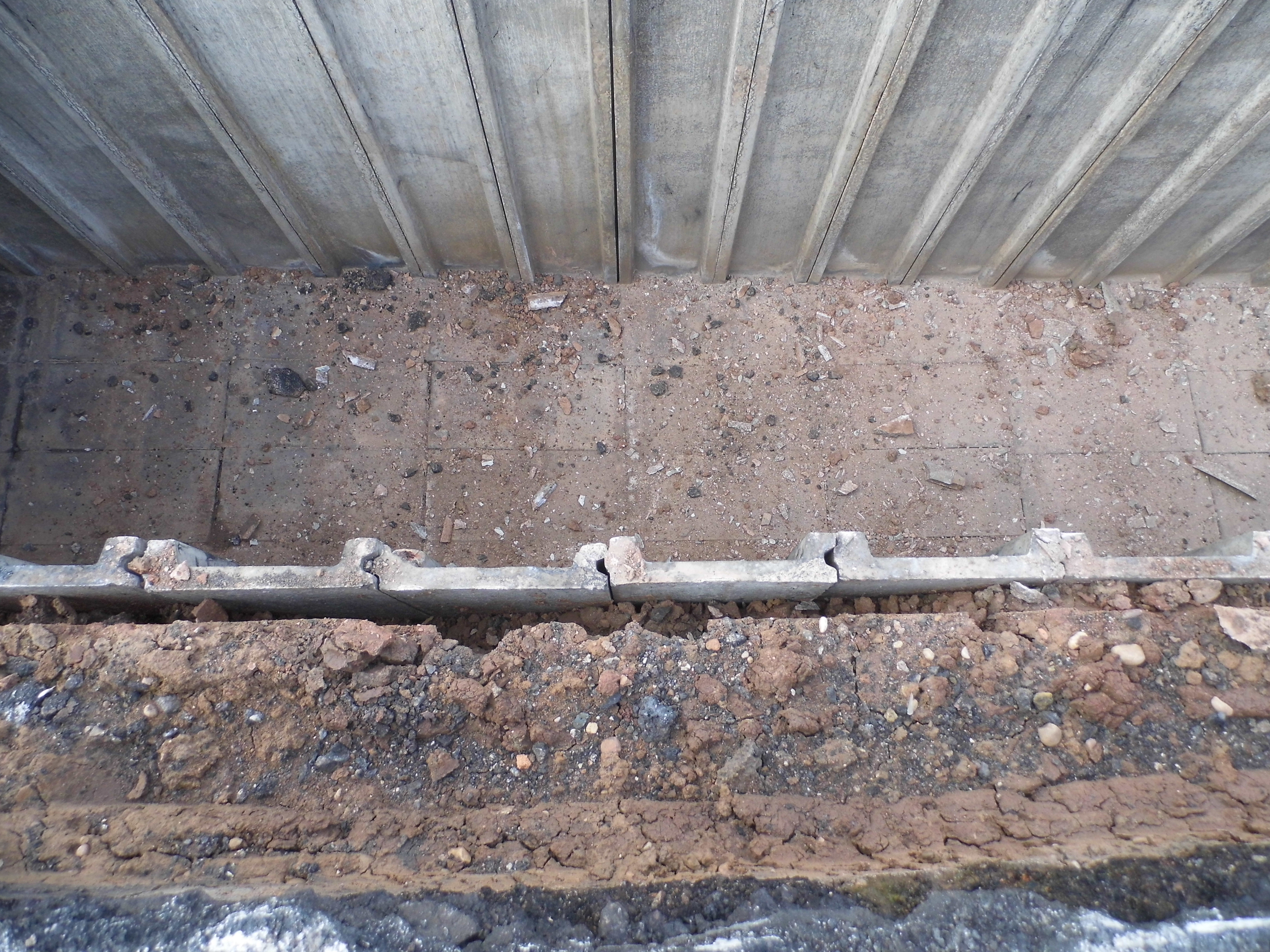
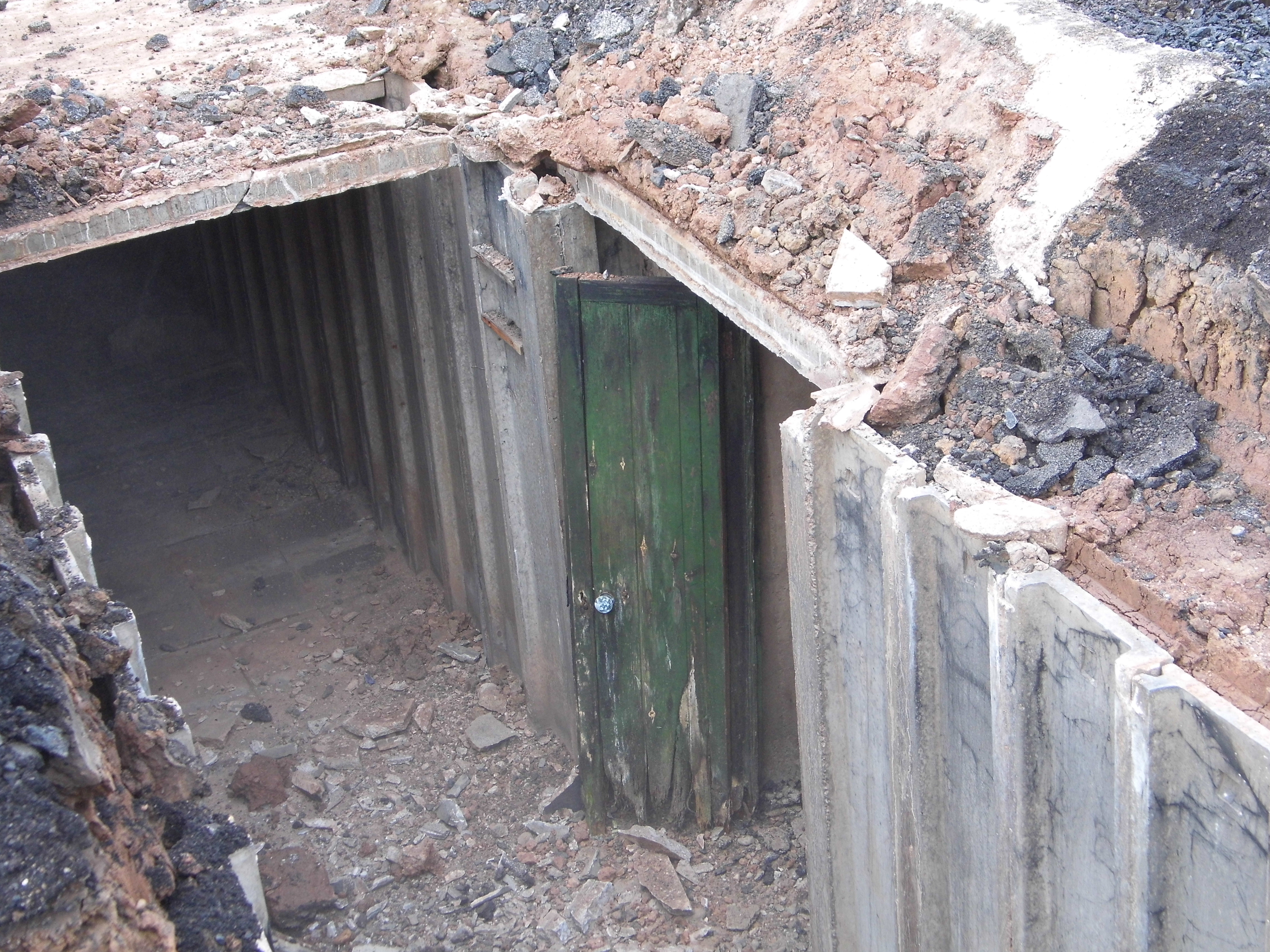
They formed a labyrinthine trench system with right-angled turns to dissipate blast pressure and using what might be ‘blast-alcoves’ (a recessed space on a corridor intended to protect the occupants from the direct blast, shrapnel, and flying debris of a bomb exploding nearby). Access was via concrete staircases, ventilation by manually operated fans, and many retained evidence for electrical lighting and basic sanitary arrangements.
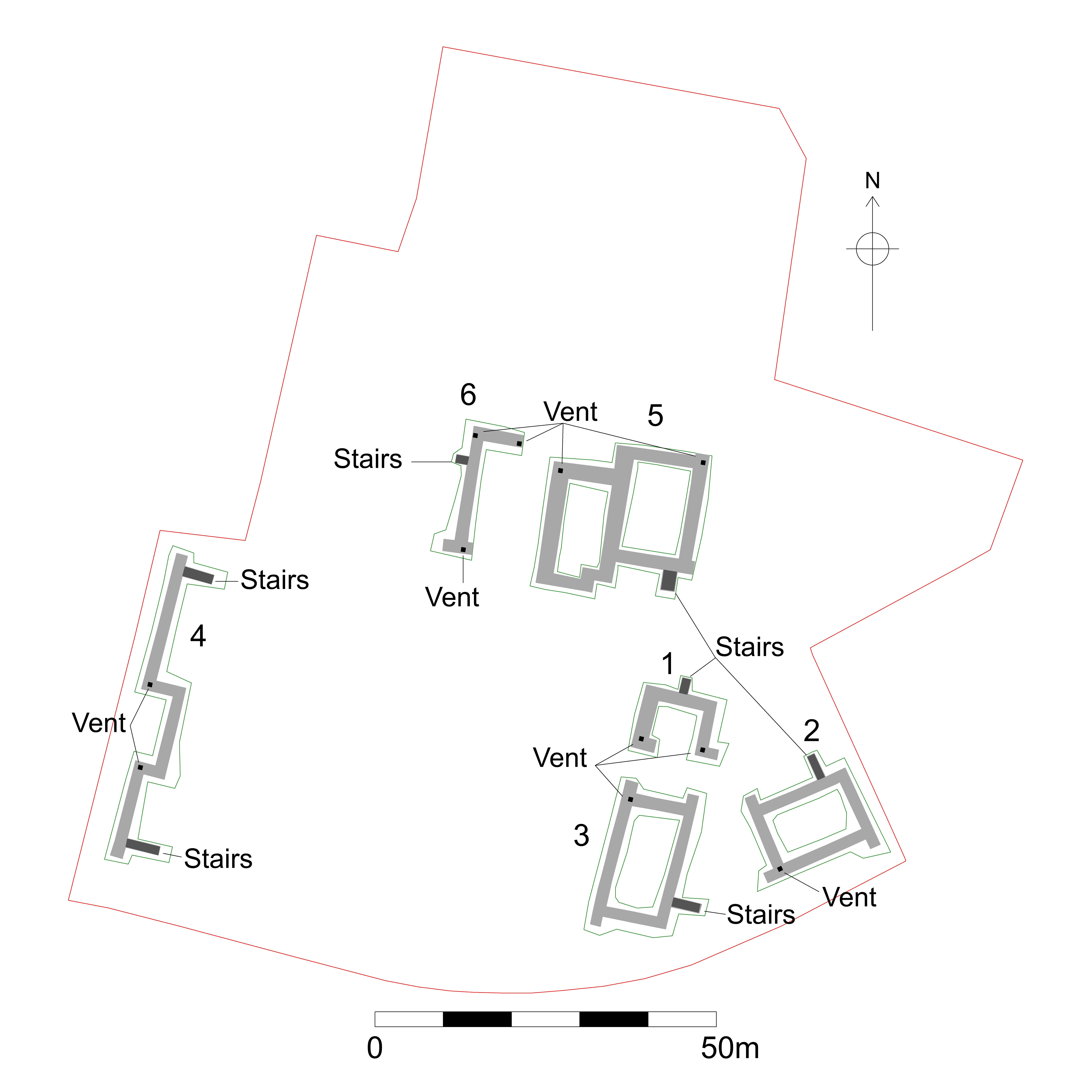
Across the site, we identified six individual shelters with plans adapted to fit available playground space:
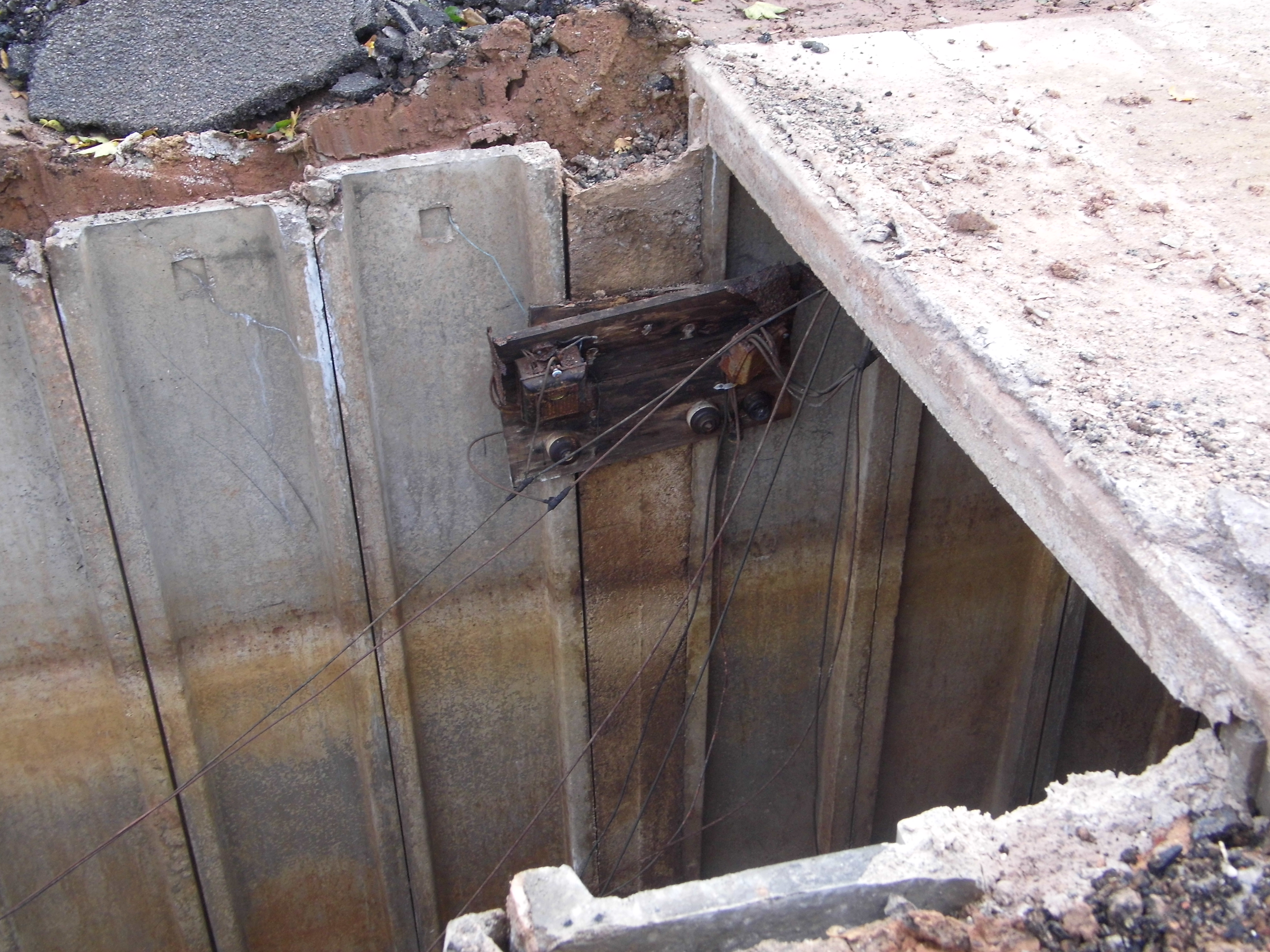
- Shelter 1 featured a U‑shaped plan with twin vents and an access stairway located on the northern side. Just inside the entrance, on the right‑hand wall, a pair of horizontal wooden batons had been installed to hold the electric light switches.
- Shelter 2 had a square plan and retained a single surviving vent with a blast alcove located beneath it. A lockable door remained in place at the bottom of the stairs, marking the original point of access. On the right‑hand side of the entrance, a pair of horizontal wooden batons had been fixed to support the electrical switch board.
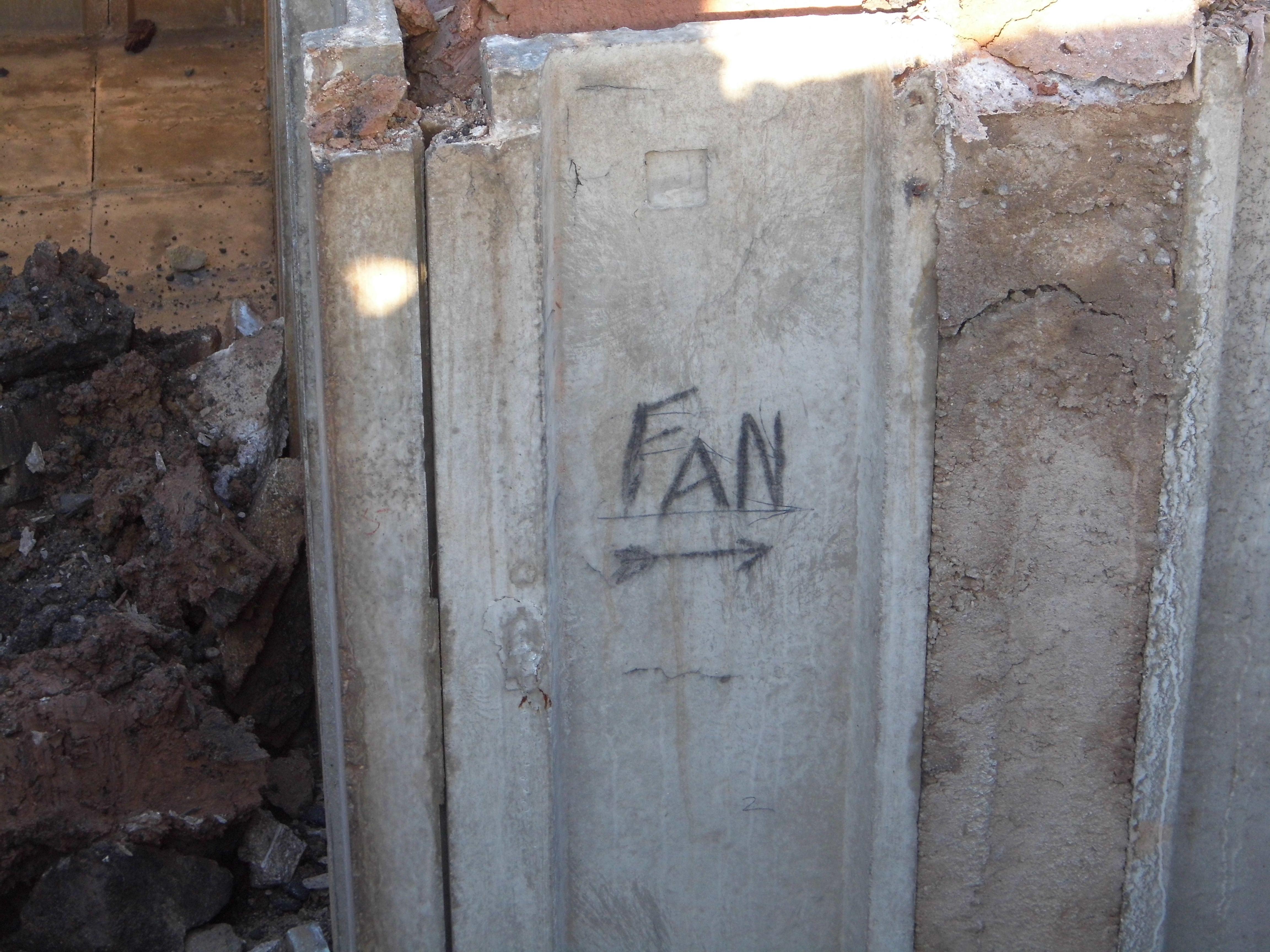
- Shelter 3 had a square plan and contained three blast alcoves, with the access stairs positioned offset to the south‑eastern side. On the left‑hand side of the entrance, a single horizontal wooden baton for the electrical switches remained in place. Several wooden roof batons also survived, still set into the cast recesses of the concrete wall panels, accompanied by porcelain insulators and remnants of electrical wiring. Around the left‑hand corner from the stairs, on the right‑hand wall, the word “FAN” was written alongside a directional arrow.
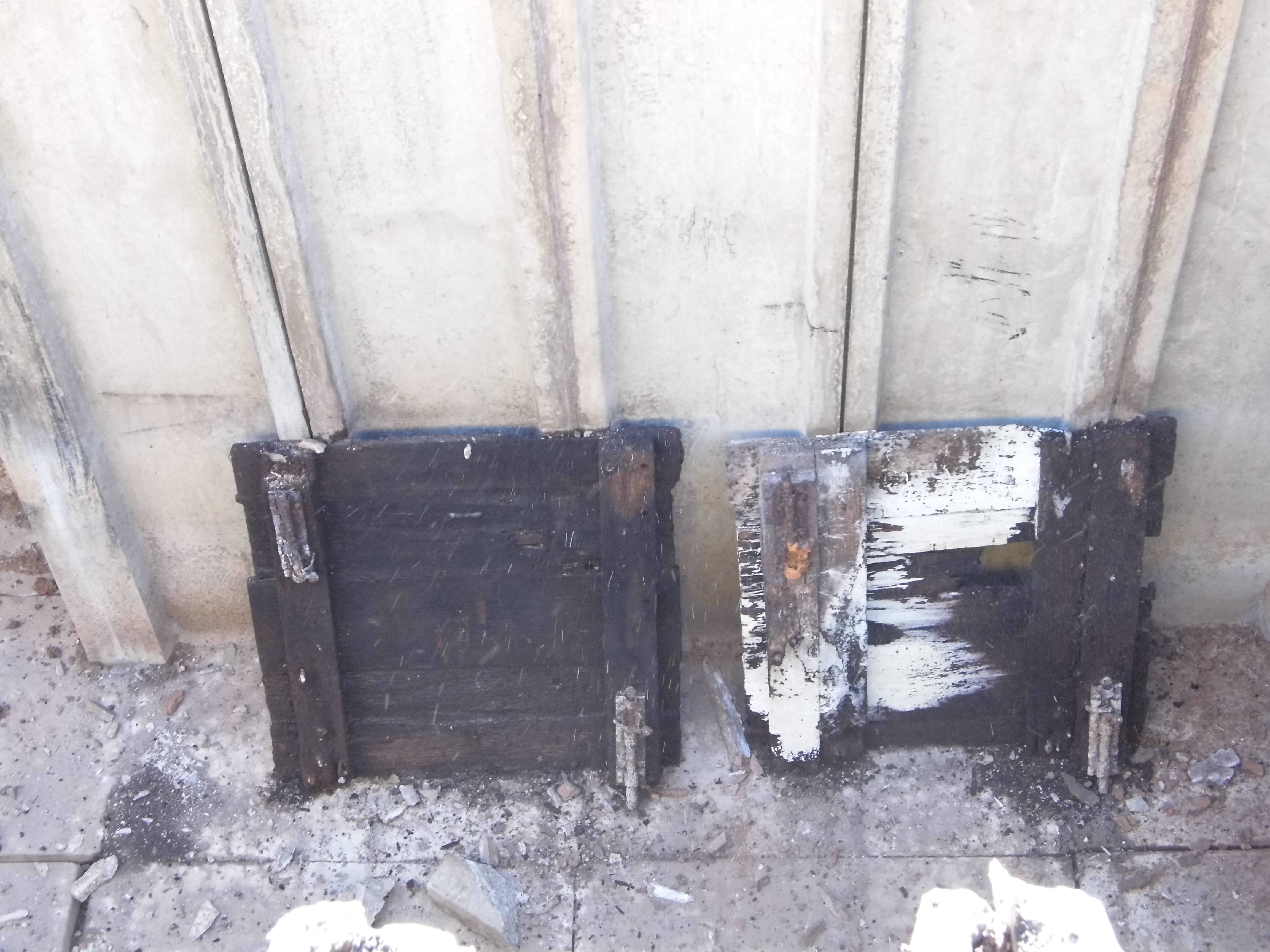
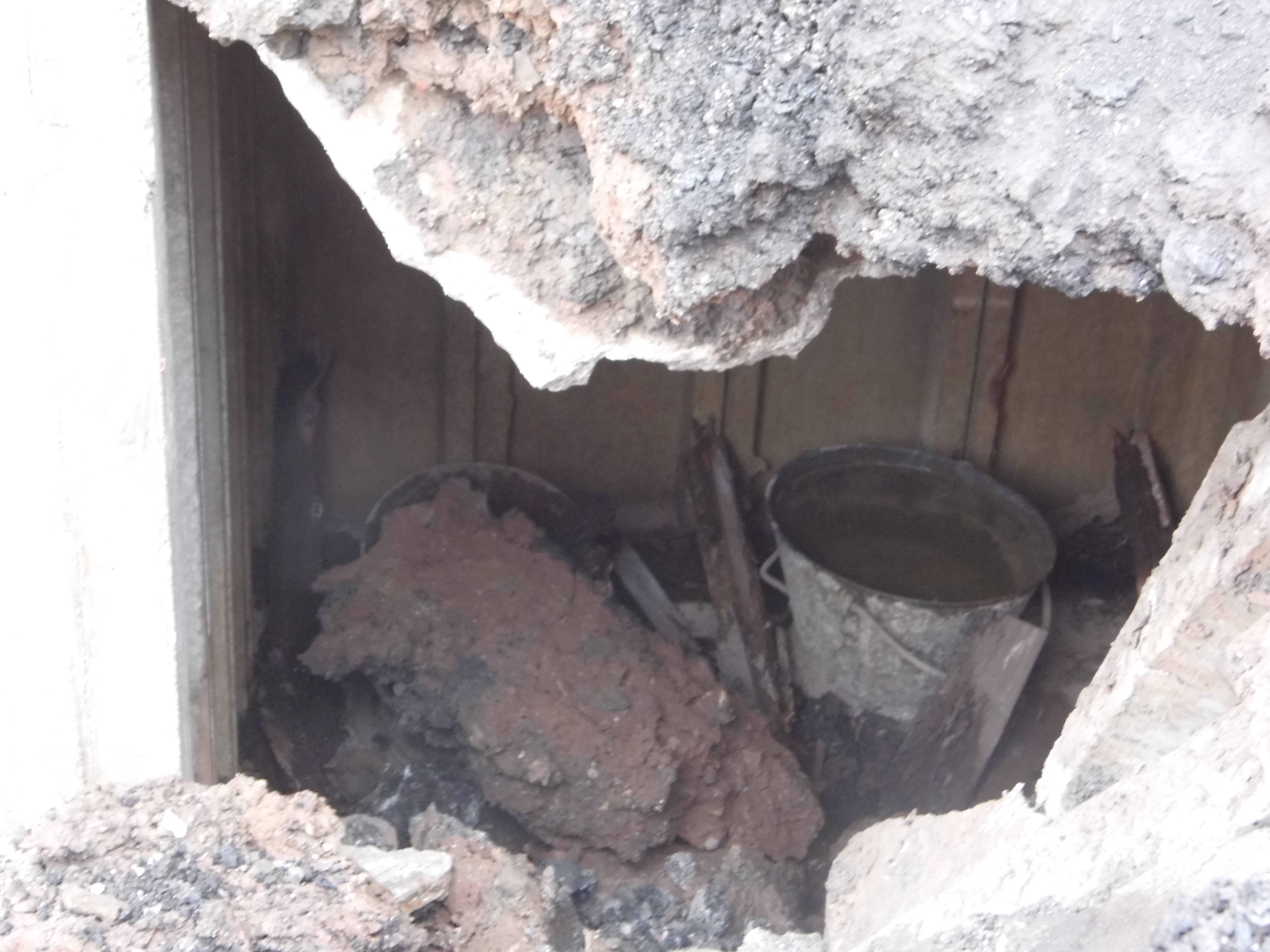
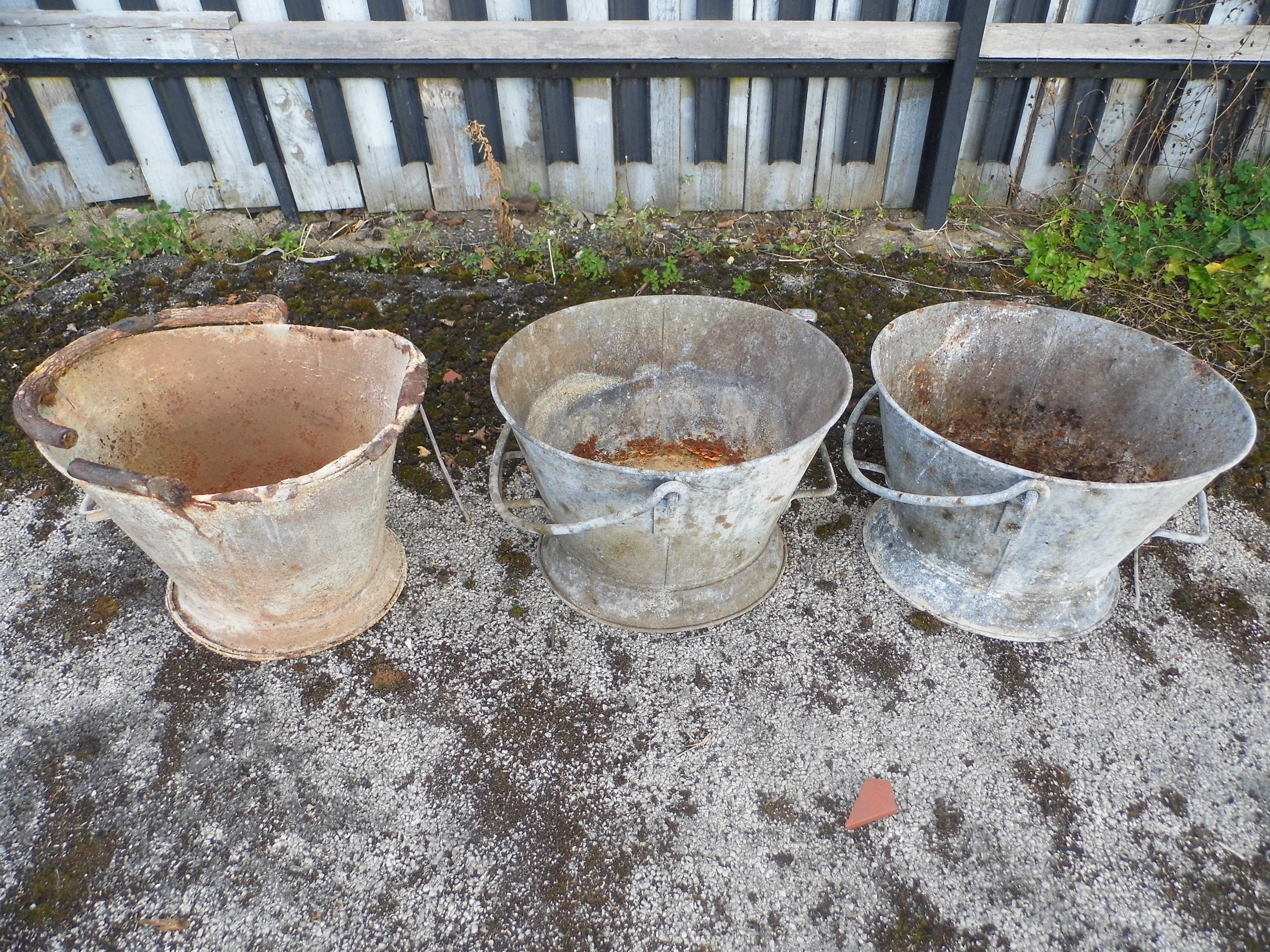
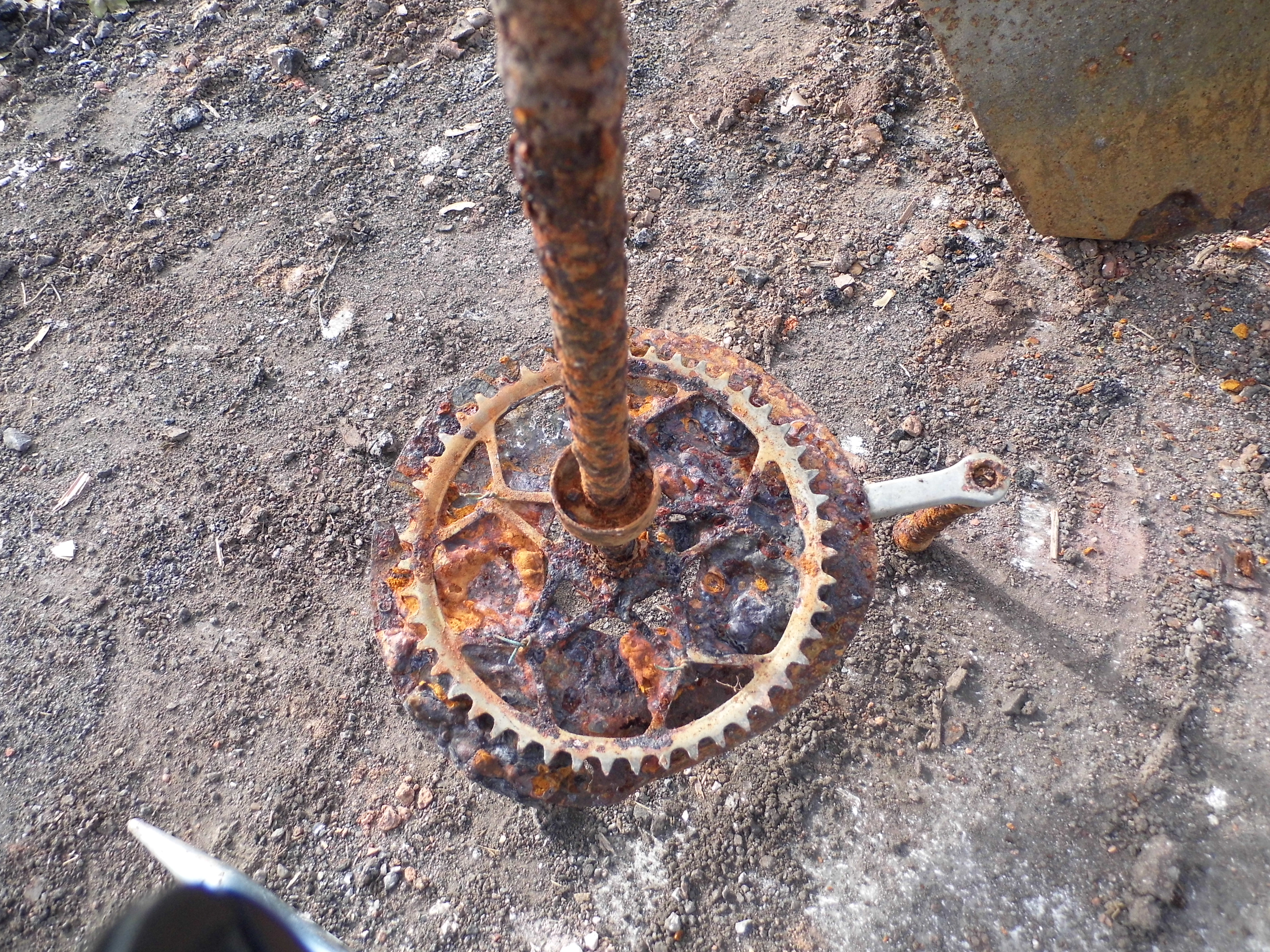
- Shelter 4 had an elongated zig‑zag plan, with access stairs situated on the eastern side at both ends and two vent shafts positioned near the central junction of the structure. The southern stairway still retained its handrail supports in situ. On the western wall of the connecting corridor between the two vent shafts, the word “FAN” had been written in pencil accompanied by a directional arrow. In the western blast alcove of the northern vent shaft, several galvanised slop buckets were found. An abandoned bicycle wheel was discovered on the northern access stairs, likely discarded when the shelter was sealed. To the left of the northern stair entrance, a pair of wooden hatches remained in place, propped against the wall where they had originally been left.
- Shelter 5 had an offset figure‑of‑eight plan, although parts of the structure had collapsed and been backfilled for safety. The access stairs were located toward the south‑eastern corner, and at least two vent shafts were identified. Electrical wiring for lighting survived in situ within both the western and eastern corridors, though the wooden batons in the eastern corridor had collapsed. In the south‑eastern blast alcove, additional galvanised slop buckets were found left in place.
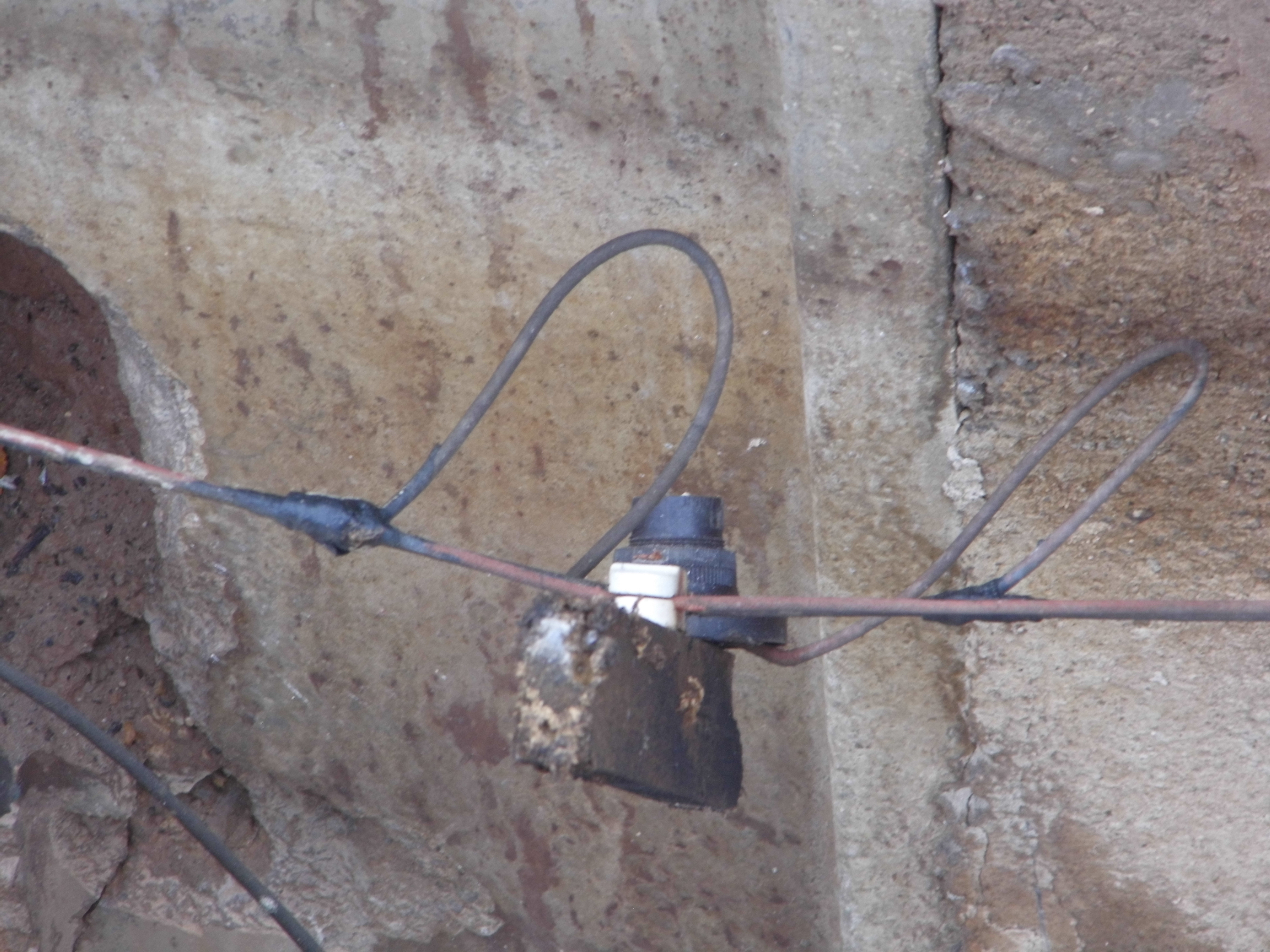
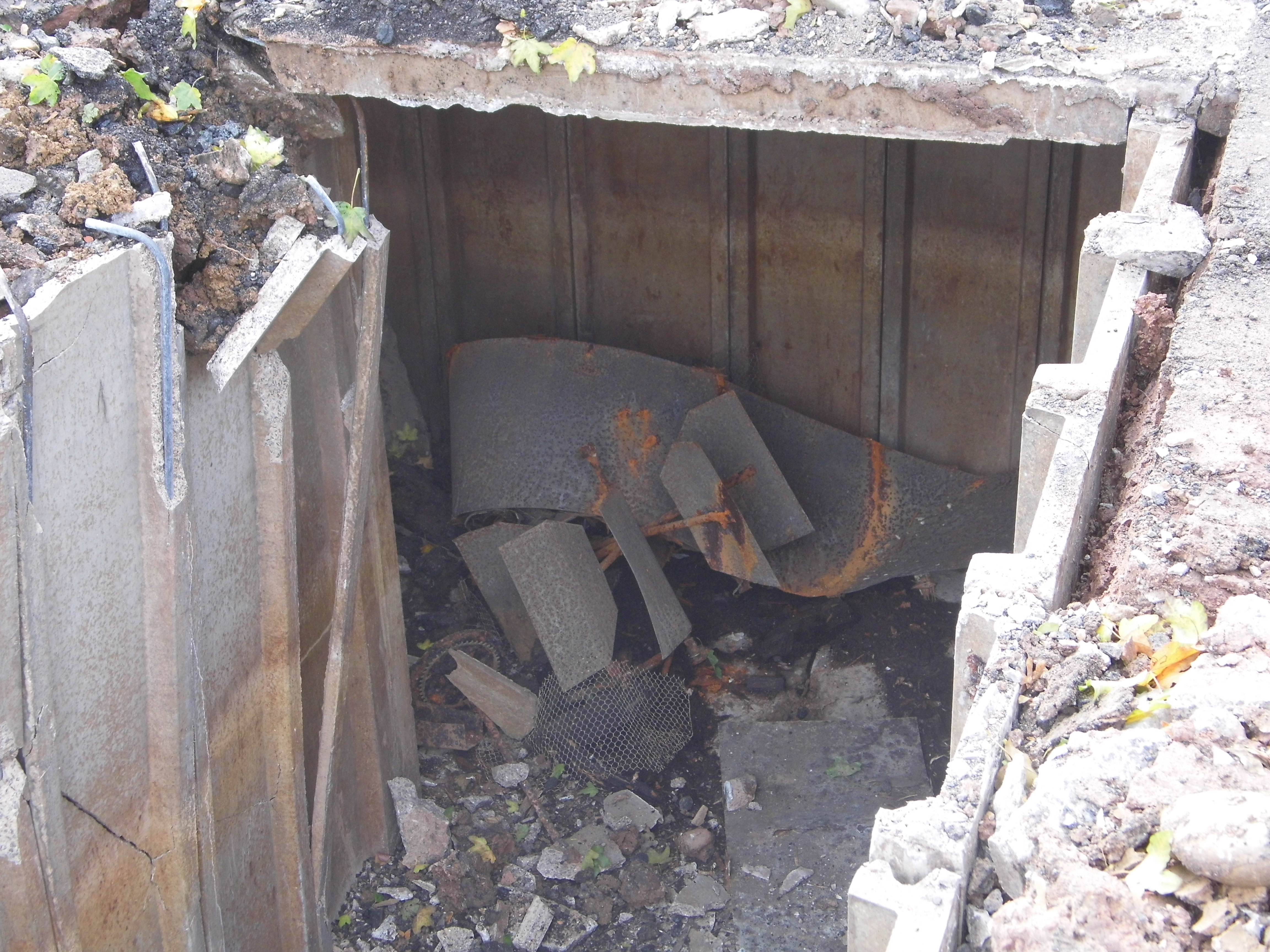
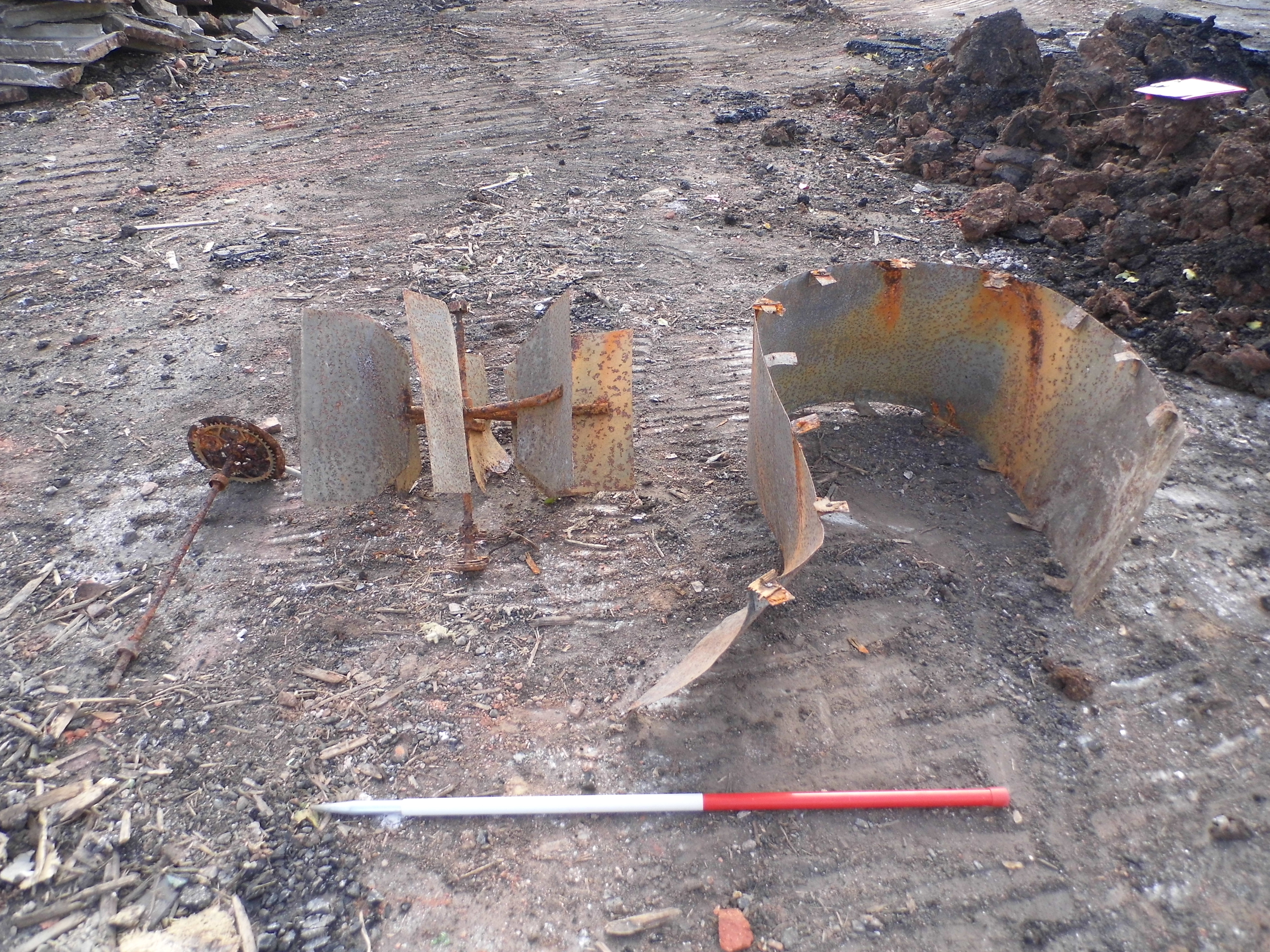
- Shelter 6 had an elongated L‑shaped plan with three vent shafts and a single set of access stairs located on the north‑western side. Tubular handrails survived within both the stairwell and the adjoining corridor. Opposite the stair entrance, on the right‑hand wall, a complete electric light switchboard remained in situ, featuring a rudimentary fuse system fitted with Bakelite toggle switches. Beneath the southern vent shaft were the surviving components of the ventilation mechanism, including the fan blade, housing, mesh, and pedal assembly. The pedal mechanism itself had been constructed using a bicycle gear, adapted to operate with a single pedal to drive the system.
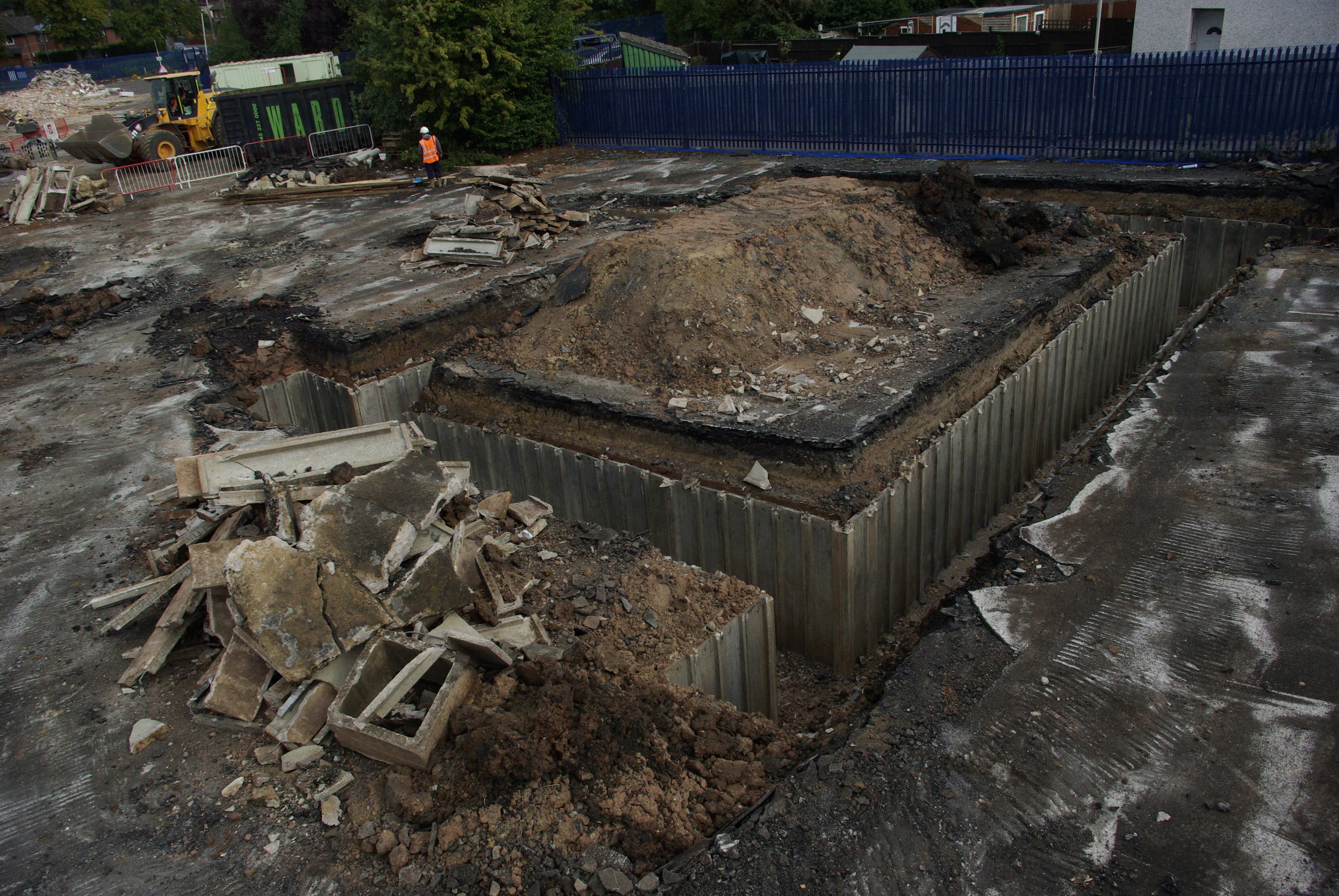
Children’s Voices on Wartime Wall
Whilst the technical features of the shelters were impressive, some of the most evocative evidence recorded was the pencilled graffiti. The concrete walls of the shelters had become canvases for the hurried, humorous, or anxious expressions of children waiting out air‑raid drills or real bombing threats. Here, the archaeological record captures something rarely preserved: wartime childhood in its own hand.
The graffiti ranged from the playful to the profound:
- Names and family groupings, such as David, Roger and Dorris Hardin and Mavis and Geoffrey Moore, were recorded, suggesting that siblings often sheltered together. Also noted in Shelters 2 and 5 was the recurring name “Nany Shepard,” the identity of whom remains unclear.
- Games such as Noughts and Crosses, along with a variant in which players aimed to spell “OXO,” were also found inscribed on the shelter walls, offering a glimpse into how occupants passed the time during periods of confinement.
- Caricatures of Adolf Hitler were also present, including one accompanied by the caption “Smash him,” reflecting the extent to which children internalised and reproduced contemporary wartime propaganda within the shelter environment.
- Domestic and imaginative drawings were also present, including a sketch of a house resembling local inter‑war architectural styles, alongside depictions of boats, an elephant, and a cowboy. In addition, several mathematical sums were recorded, illustrating how lessons and play often overlapped even within the confines of the underground shelters.
- Typical schoolboy doodles were also present, accompanied by dates such as “1940,” capturing a precise wartime moment and offering a small yet vivid insight into the everyday experiences of the children who used the shelters.
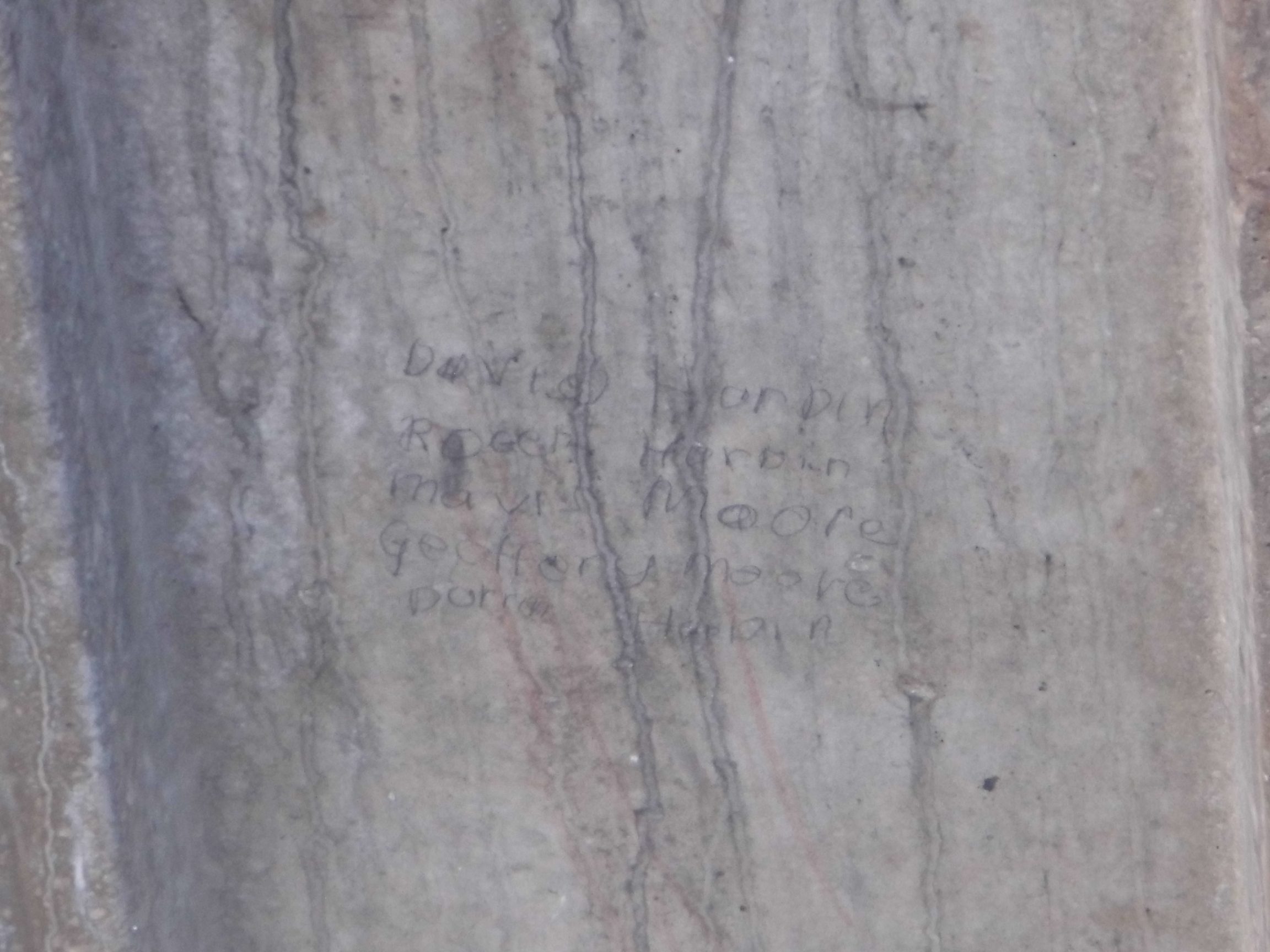
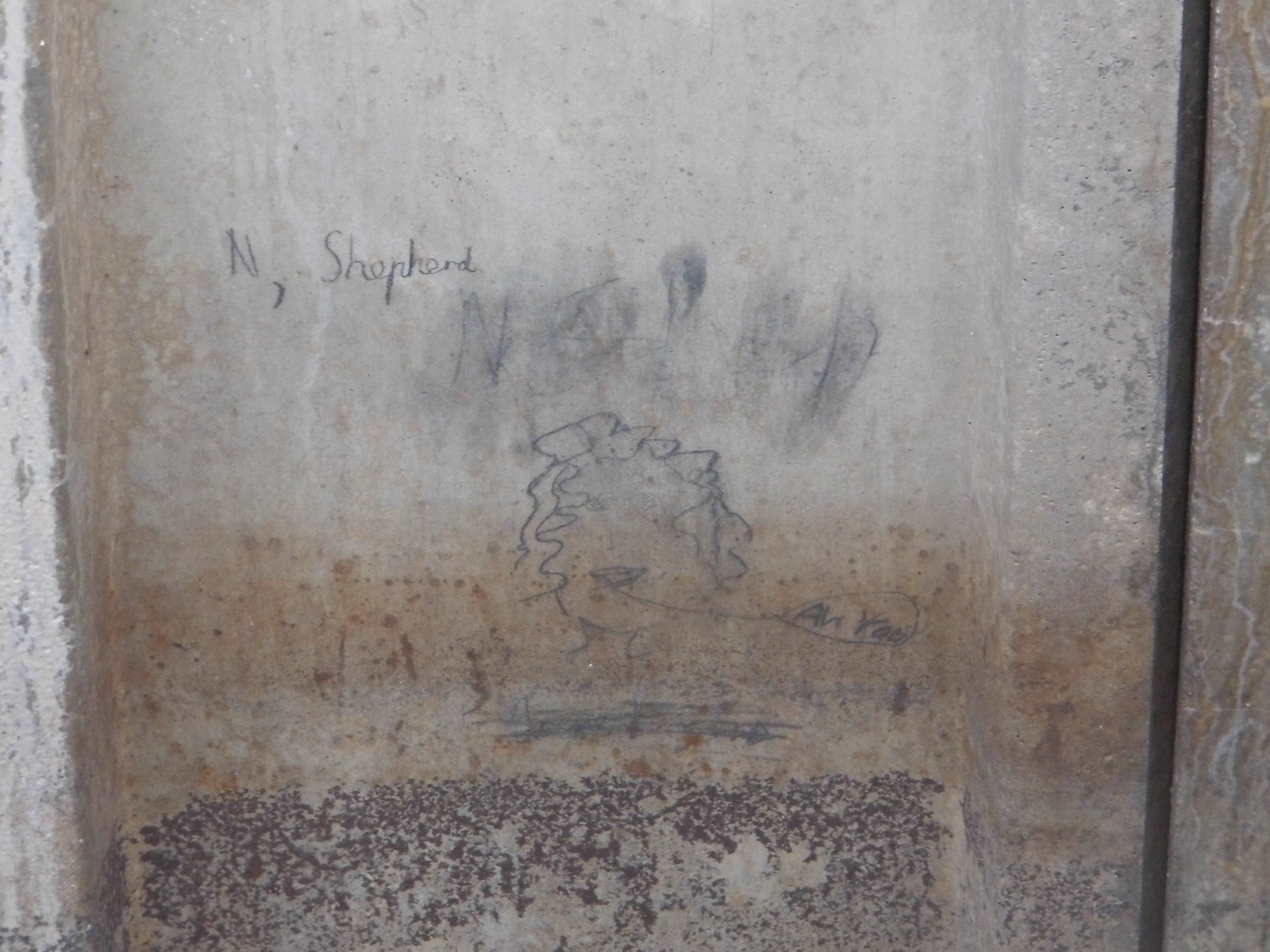
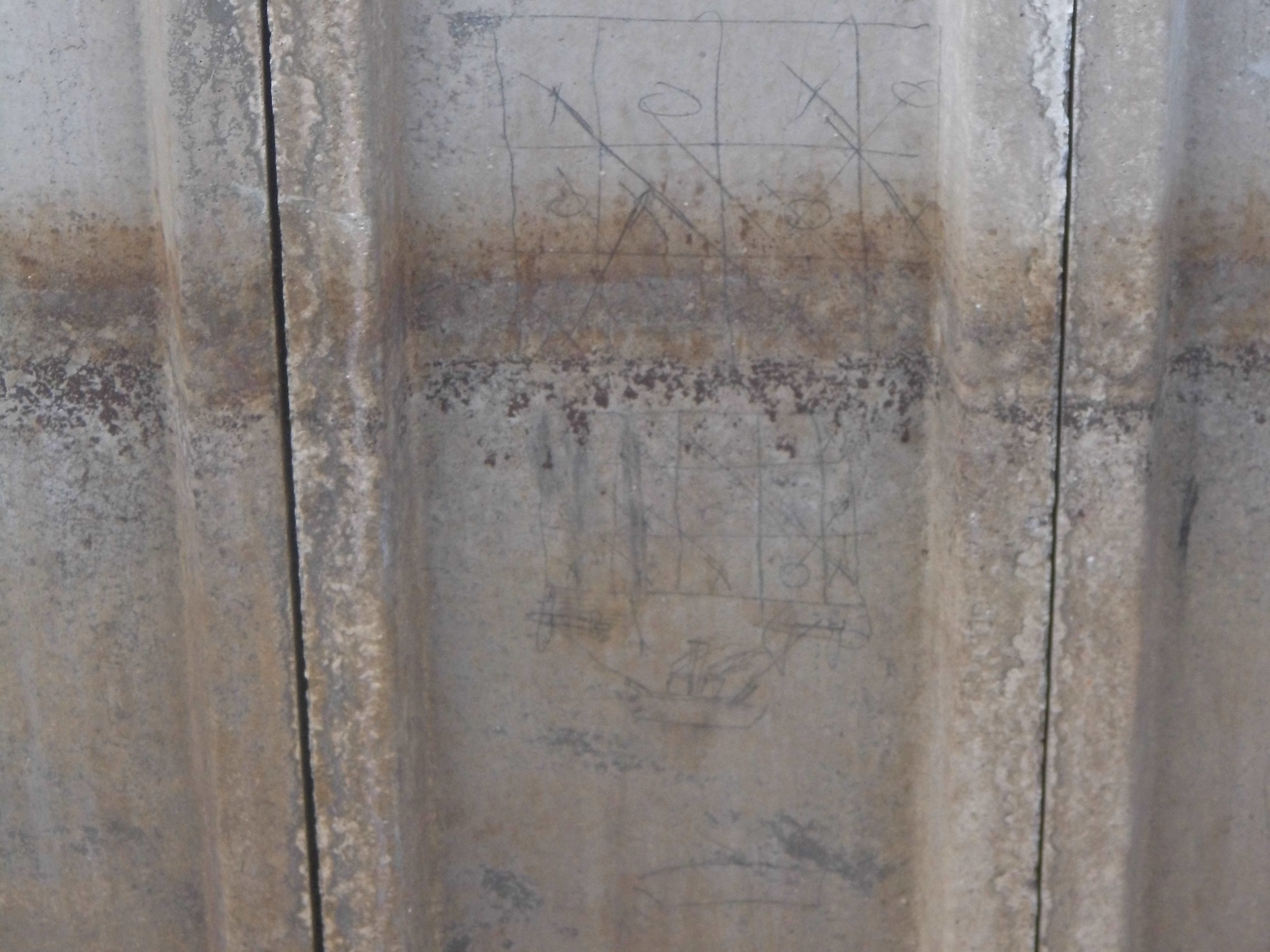
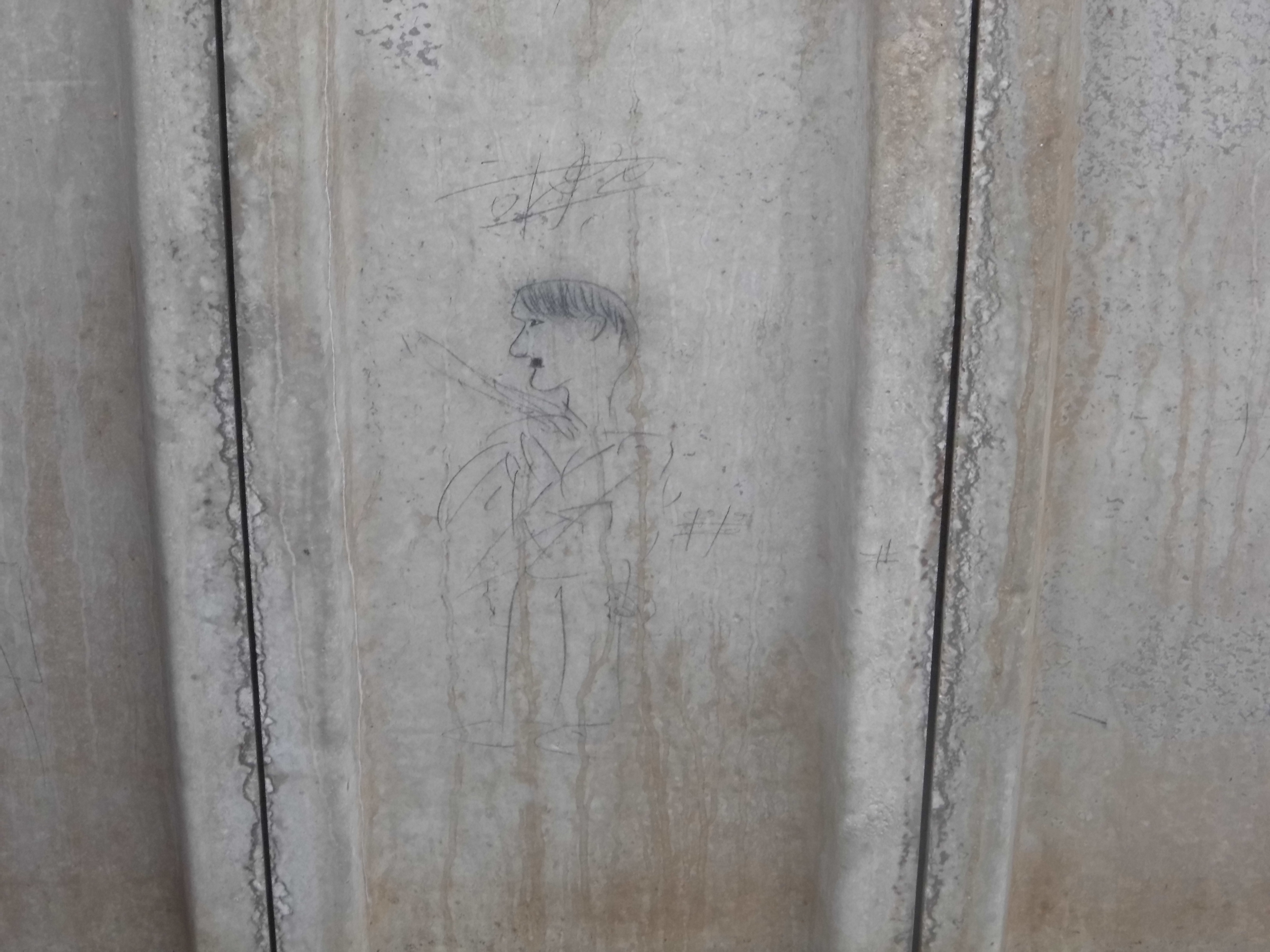
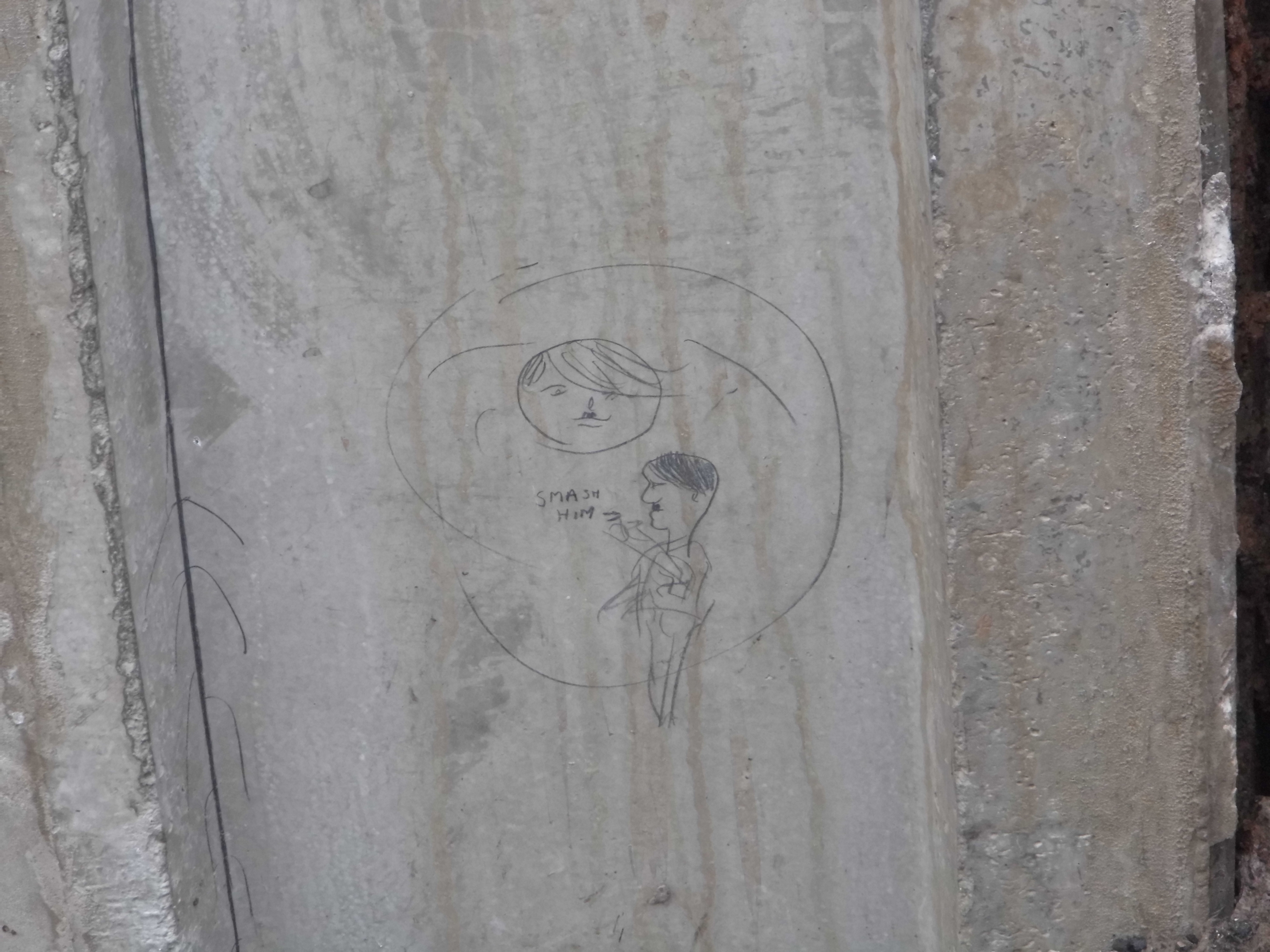
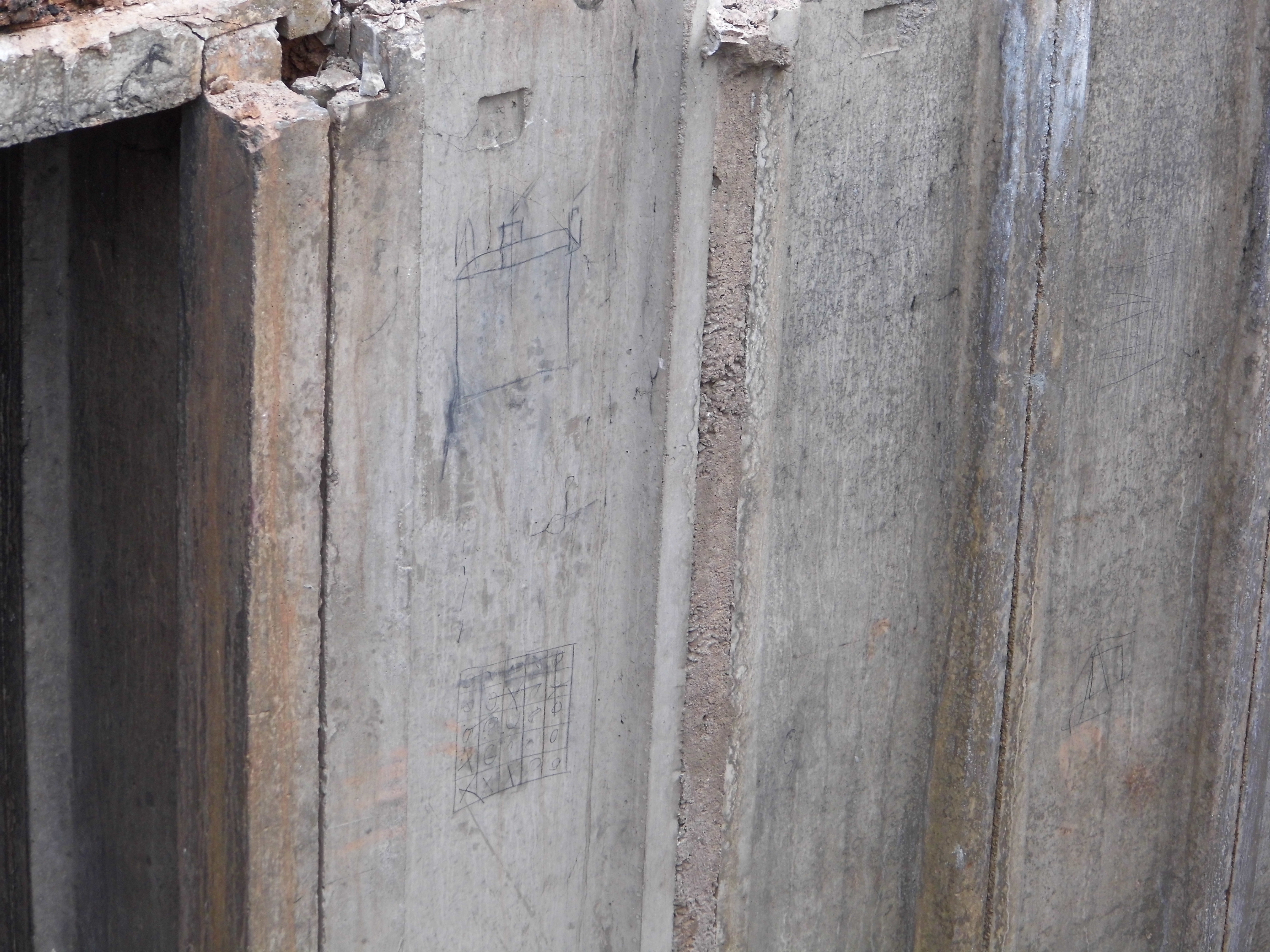
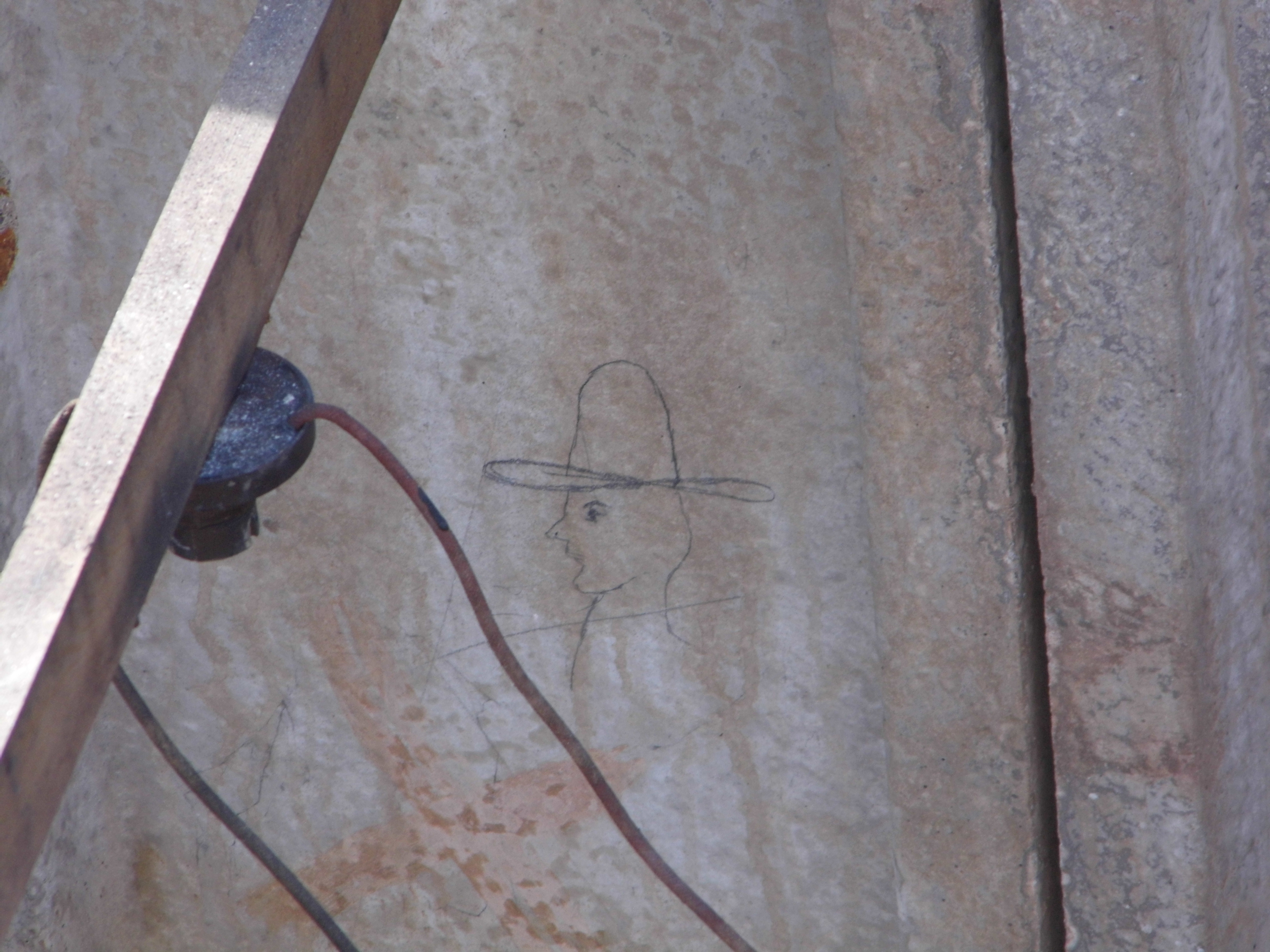
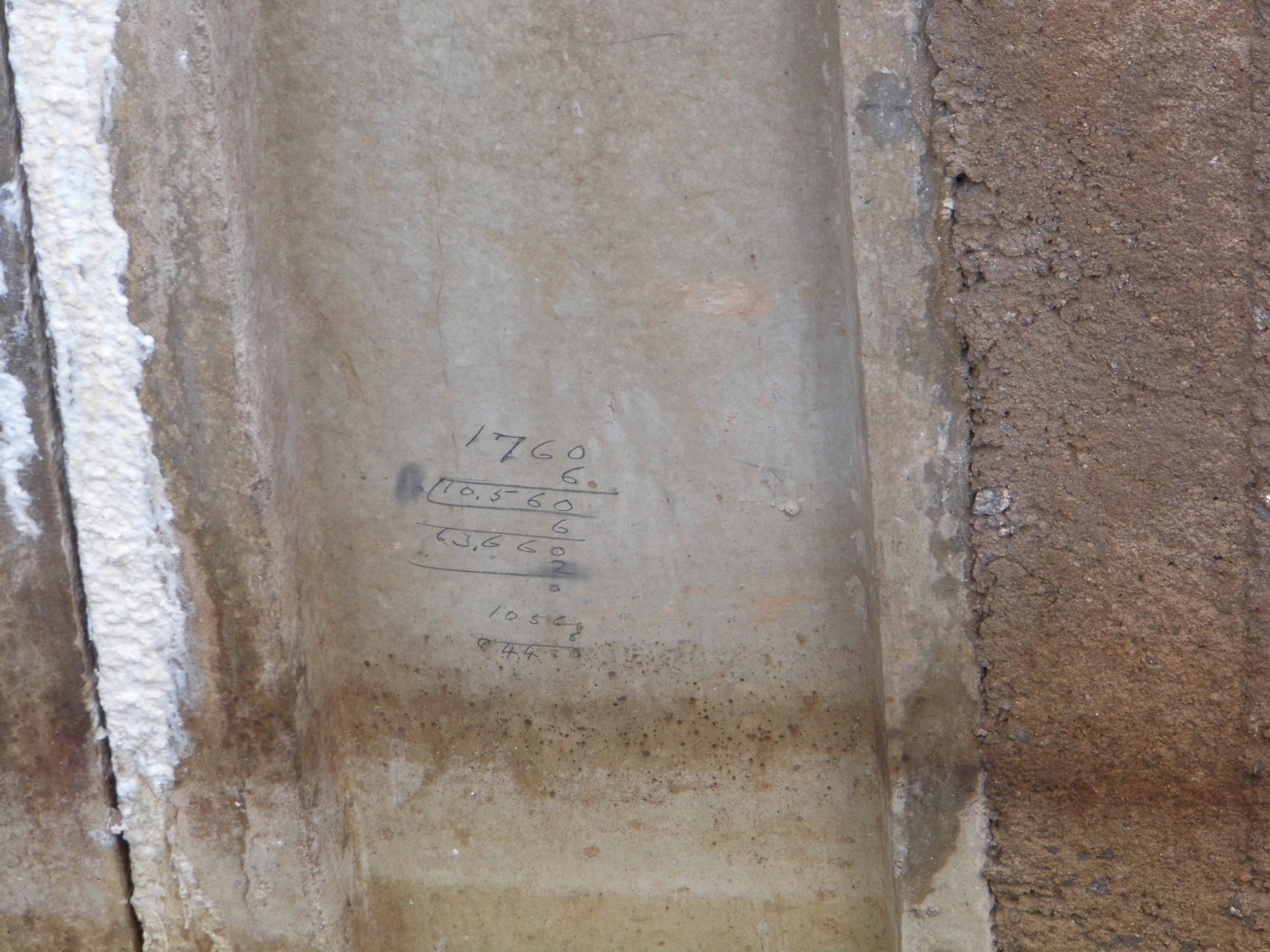
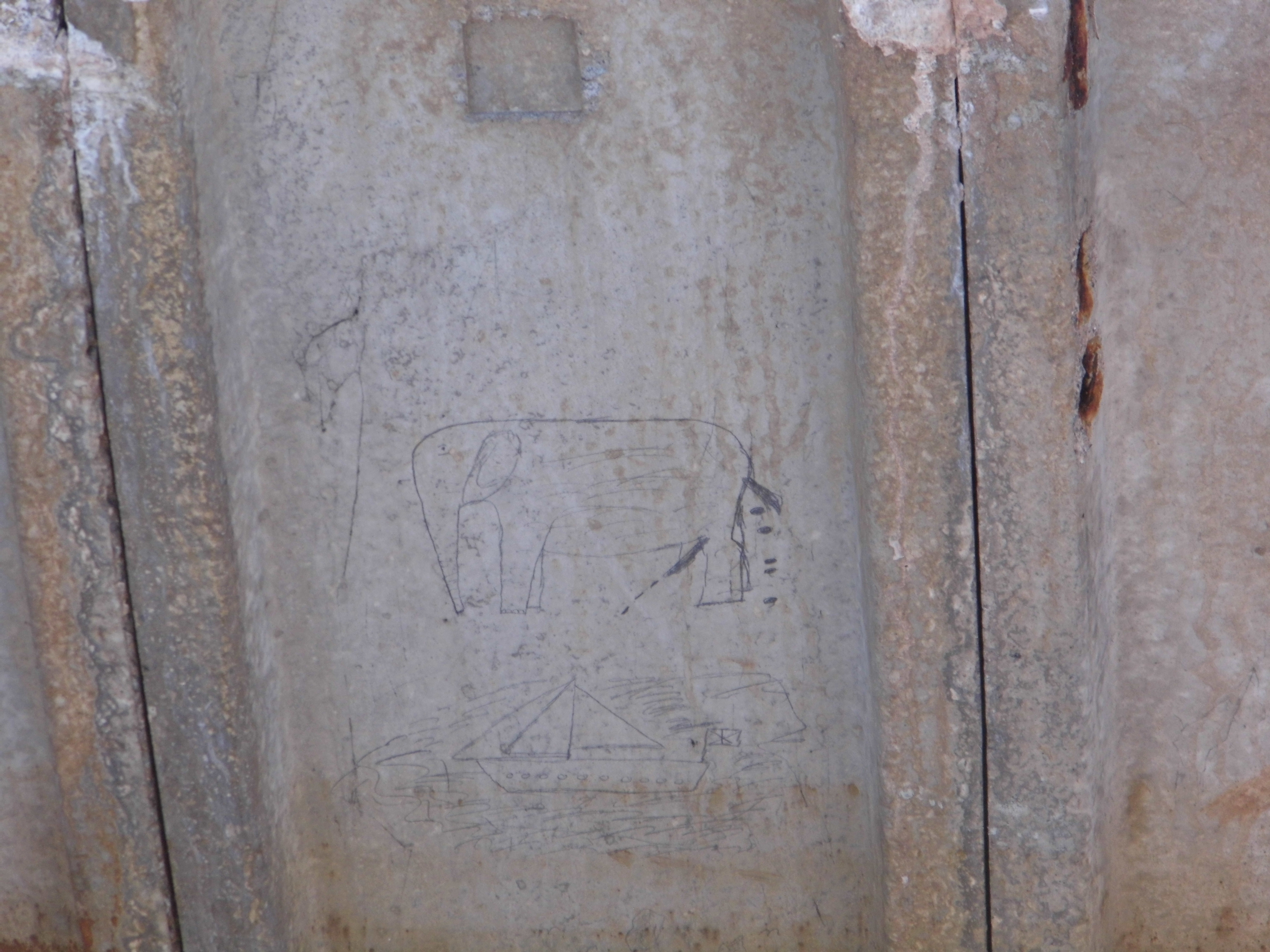
These marks transform the shelters’ concrete surfaces into a deeply human record—snapshots of anxiety, boredom, creativity, and resilience. They reveal how children made sense of the wartime world around them, expressing their experiences through names, games, lessons, and vivid cartoons. This corpus of drawings resonates with finds from other Leicester schools and reinforces the understanding that these shelters were not merely protective structures but lived spaces where children processed the fear and monotony of war through imagination, play, learning, and illustration.
A Citywide Wartime Footprint
The Southfields shelters were part of a city‑wide pattern. Comparable modular shelters have been recorded at:
- Regent College (former Wyggeston Girls School)
- Wyggeston & Queen Elizabeth I College
- Fullhurst Community College (former Newarke Girls School)
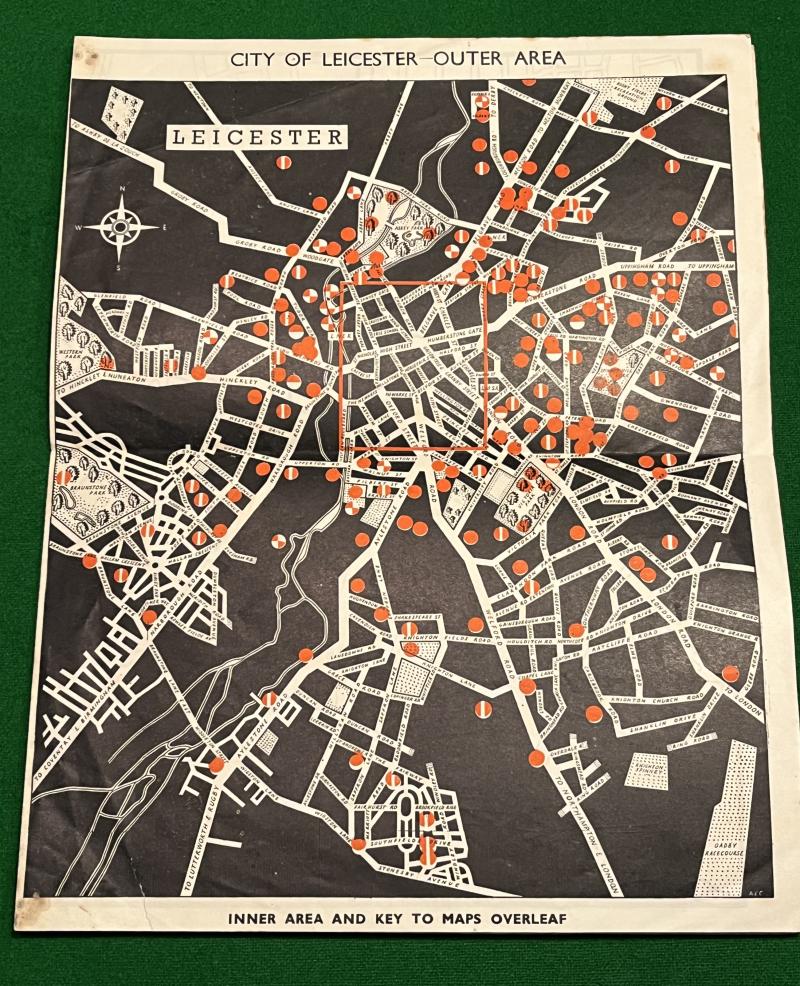
The map below shows a network of air raid shelters across the city of Leicester and environs. The key (overleaf on the pamphlet) shows the shelters at Southfields school, identifying them as ‘AFTER SCHOOL HOURS’. These shelters would have been available to the general public in the surrounding area to shelter in in the event of an air raid when the school was closed. The air raid shelters in Leicester would come into play on the night of the Leicester Blitz, 19 November 1940.
The discovery of the air‑raid shelters beneath Southfields Infant School offers far more than an intriguing glimpse into Leicester’s wartime past, it is a reminder that some of the most meaningful stories of conflict are found not in grand fortifications or battlefields, but in the modest, functional spaces where ordinary people sought safety. While air raid shelters are often overshadowed by the more dramatic architecture of war, forts, bunkers, naval installations, or military factories, they occupy a vital place in Britain’s wartime story. These structures were not built to project power, but to preserve lives, particularly those of children. In their simplicity lies a form of quiet heroism: the engineering ingenuity that allowed them to be rapidly constructed; the community effort that kept them maintained; and the emotional weight they carried for those who waited inside as sirens wailed above.
What makes shelters like those at Southfields especially valuable is the human detail they preserve. The graffiti scratched into concrete, the scuffed floors, the remnants of benches, the purposeful layout of corridors, all serve as material traces of fear, resilience, boredom, and routine. They capture the emotional and everyday dimensions of life on the Home Front in a way that written records alone cannot.
For anyone interested in conflict archaeology, childhood history, or the heritage of Britain’s Home Front, surveys like this provide a rare and invaluable dataset. These subterranean spaces sit at the intersection of engineering, civil defence policy, collective memory, and human creativity. Studying them brings together multiple strands of historical understanding: how communities prepared for danger; how children experienced war; how local authorities balanced urgency with practicality; and how people left their mark, literally and figuratively, on the environments designed to protect them.
In the end, these shelters do more than illuminate a historical moment. They remind us that beneath the surface of familiar places lie layers of lived experience, shaped by fear, ingenuity, and hope. Preserving and studying them ensures that the quieter, everyday stories of wartime Britain, the stories of ordinary families, schoolchildren, and communities, are not lost to time but remain part of our shared heritage.
If you have any memories of these shelters, please don’t hesitate to comment.
Find out more:
The Blitz in Highfields (Story of Leicester website)
Leicester in Pictures: Air Raids and the Leicester Blitz (Image Leicestershire website)
Shelter from Above! (previous blog on air raid shelters in Leicester)
You can read the excavation reports for the recorded air raid shelters online via the Archaeological Data Service:
Richards, G. (2011). An Archaeological Standing Building Survey of an Air Raid Shelter within the Grounds Wyggeston and Queen Elizabeth I College, Victoria Park Road, Leicester. Leicester: University of Leicester Archaeological Services (ULAS). https://doi.org/10.5284/1038643
Hyam, A. (2014). An archaeological watching brief and building recording at the air-raid shelter, Regent College, Regent Road, Leicester. Leicester: University of Leicester Archaeological Services (ULAS). https://doi.org/10.5284/1040331
Flavell, N. (2022). A Level 2 Historic Building Survey of air raid shelters at Southfields Infant School, Southfields Drive, Leicester. Leicester: University of Leicester Archaeological Services (ULAS). https://doi.org/10.5284/1120187
 ULAS News