IN LEICESTERSHIRE AND RUTLAND
Digging up the past is only one part of the archaeological journey. Once excavation is done, considerable time is spent analysing and interpreting the discoveries to tell stories of those places and their past communities. Part of this process often involves collaborations between archaeologists, artists and artisans to create reconstructions which bring the past to life.
Creating visualisations of the past is an engaging and memorable ways of sharing stories and connecting wide audiences with the heritage around them. Over the past 20 years, ULAS, working in partnership with commercial clients, local community groups, museums and other heritage organisations, has uncovered some incredible unique finds in Leicestershire and Rutland.
On 25 November, 2023, we were delighted to share the latest research from some of those discoveries with a day of talks and displays at the University of Leicester. The talks were recorded and can be accessed below.

Talks
Crafting with bark: experiments to remake the Enderby Shield
Matthew Beamish, Project Manager at ULAS
Between April 2018 and July 2022 a group of archaeologists and crafts people with diverse backgrounds met on a number of occasions, with the objective of re-making the Enderby Shield. Seven shields were made in all, and Matthew with explain how each told us something of the different problems faced when manufacturing such an item in the past, and also shed light on the different components used.
Taking stock of the pot: Creating and re-creating the Glenfield Iron Age cauldrons
John Thomas, Deputy Director at ULAS
Over the winter of 2013/14 ULAS excavated a spectacular Iron Age settlement on the edge of Glenfield. The long-lived settlement comprised many roundhouses and enclosures, but the standout feature was its metalwork assemblage, marking it out as a very special place to Iron Age people. Among the many metal objects was a group of feasting cauldrons that had been deliberately buried after they had gone out of use. Recent work by conservators from Museum of London Archaeology and scientific experts from the British Museum has revealed how the cauldrons were made, used and maintained, providing a fascinating insight into Iron Age craftworking and social life. John will describe the excavation and analysis of these fascinating objects and explain how the information has been used to create a replica cauldron which will feature in a museum display of the settlement.
Re-creating Britain’s Finest Roman Cavalry Helmet from Hallaton, Leicestershire
Helen Sharp, Archaeology Curator for Leics CC Museums
It is over 20 years since a pit of Roman cavalry helmet parts were discovered at a Late Iron Age ritual site at Hallaton, Leicestershire. Helen will explain the final stages of conservation work completed in February 2020 and delve into the current project to re-create modern versions of this once magnificent helmet. From iconographic research to 3D scanning and printing, the Hallaton Helmet assemblage still has the capacity to surprise and delight.
New Visions of Roman Leicester: From holes in the ground to reimagined views of the ancient townscape
Dr Gavin Speed, Project Manager, ULAS
Recent archaeological excavations in central Leicester, utilising new recording methods, have enabled new accurate artist reconstruction images of Roman Leicester to be created. Gavin will explain the process from the initial discoveries uncovered beneath the modern city, via surveys, satellites, and analysis, to create the most accurate reconstruction views of ancient Roman Leicester ever produced, allowing the viewer to get a glimpse into the past.
Recreating Grey Friars: Imagining the burial place of King Richard III
Mathew Morris, Project Officer at ULAS
The discovery of King Richard III’s remains during an archaeological excavation in 2012 was a world-wide sensation but behind the headlines an arguably greater archaeological find was made, the discovery of Grey Friars, the Franciscan friary in which the king was buried, which had been lost for over 400 years. Mathew will show how the latest archaeological and historical research has enabled archaeologists and artists to reconstruct what the site may have looked like in the past.
Drawing the Rutland Trojan War Mosaic
Dr David Neal, Britain’s foremost mosaic expert
In the Summer of 2020 a magnificent figured Roman mosaic was partially uncovered in a Rutland field, showing scenes from the ancient Trojan War story, most famously narrated by Homer in the Iliad. Over two seasons of excavation the mosaic was fully uncovered and despite being damaged, was recognisable as showing the duel between Achilles and Hector. The mosaic was drawn in situ by David Neal, in preparation for producing a tessara by tessara painting. David’s talk will describe the processes of carefully recording the mosaic and transforming his drawing to a full colour painting of this unique example of ancient art.
About the Speakers
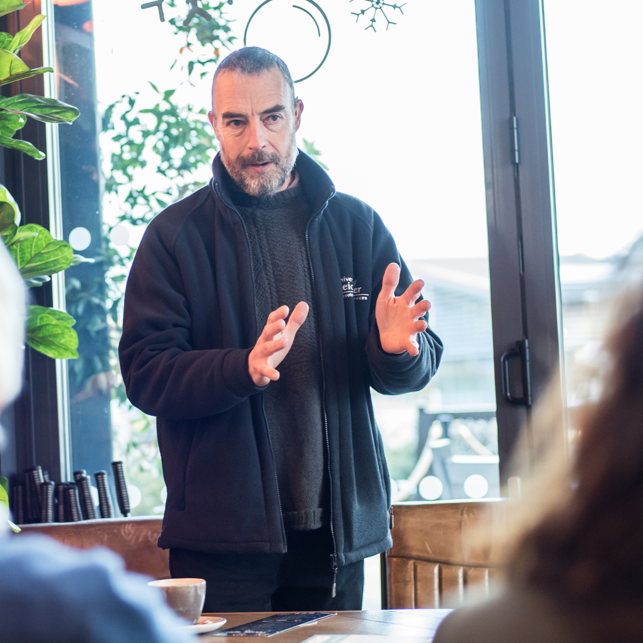
Matthew Beamish has worked as an archaeologist in Leicestershire for over 30 years and has interests in Leicestershire’s changing landscapes and land uses.
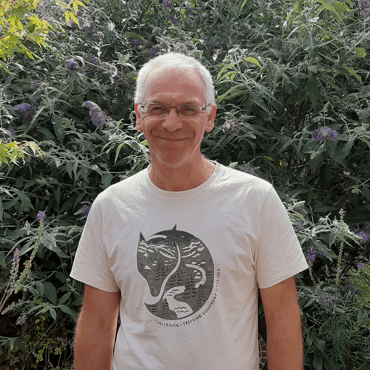
John Thomas is Deputy Director of ULAS and has worked as a professional archaeologist since 1986. He has directed many large-scale excavation projects with a particular expertise on prehistoric sites and landscape studies. Between 2010-2014 John co-directed research excavations at Burrough Hill, the region’s best preserved Iron Age hillfort and in 2013 directed excavation of the extensive Iron Age settlement at Glenfield. Both of these projects produced significant results and involved the recovery of nationally important prehistoric metalwork.
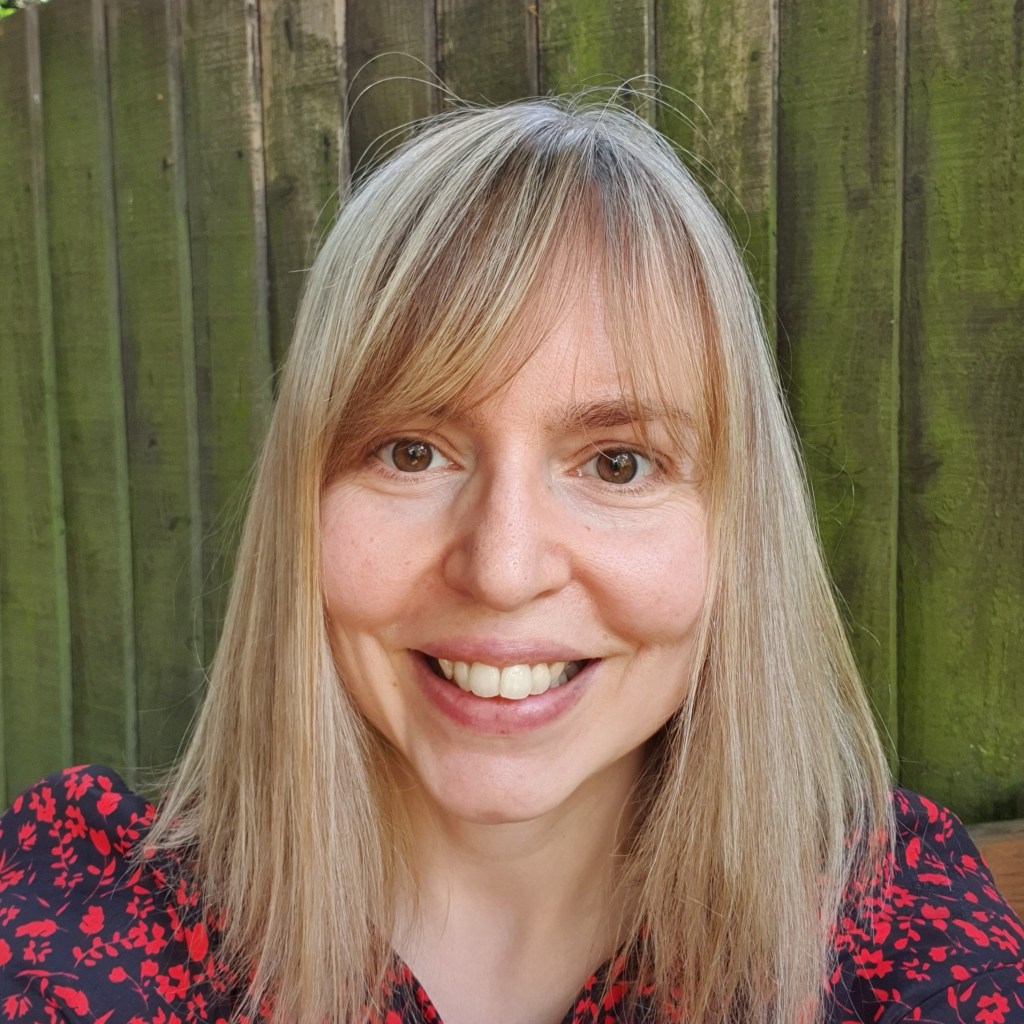
Helen Sharp studied at the University of Nottingham and has been Curator of Archaeology at Leicestershire County Council Museums since 2012. Much of her time has been spent caring for the nationally important Hallaton Treasure which is displayed at Harborough Museum, Market Harborough.

Gavin is a Project Manager at ULAS, he has over 20 years of archaeological experience, having directed and managed a range of archaeological projects both in the UK and abroad. He is experienced in many aspects of archaeological fieldwork and research. He has particular expertise in British urban archaeology, and Late Roman / early Anglo-Saxon Britain.
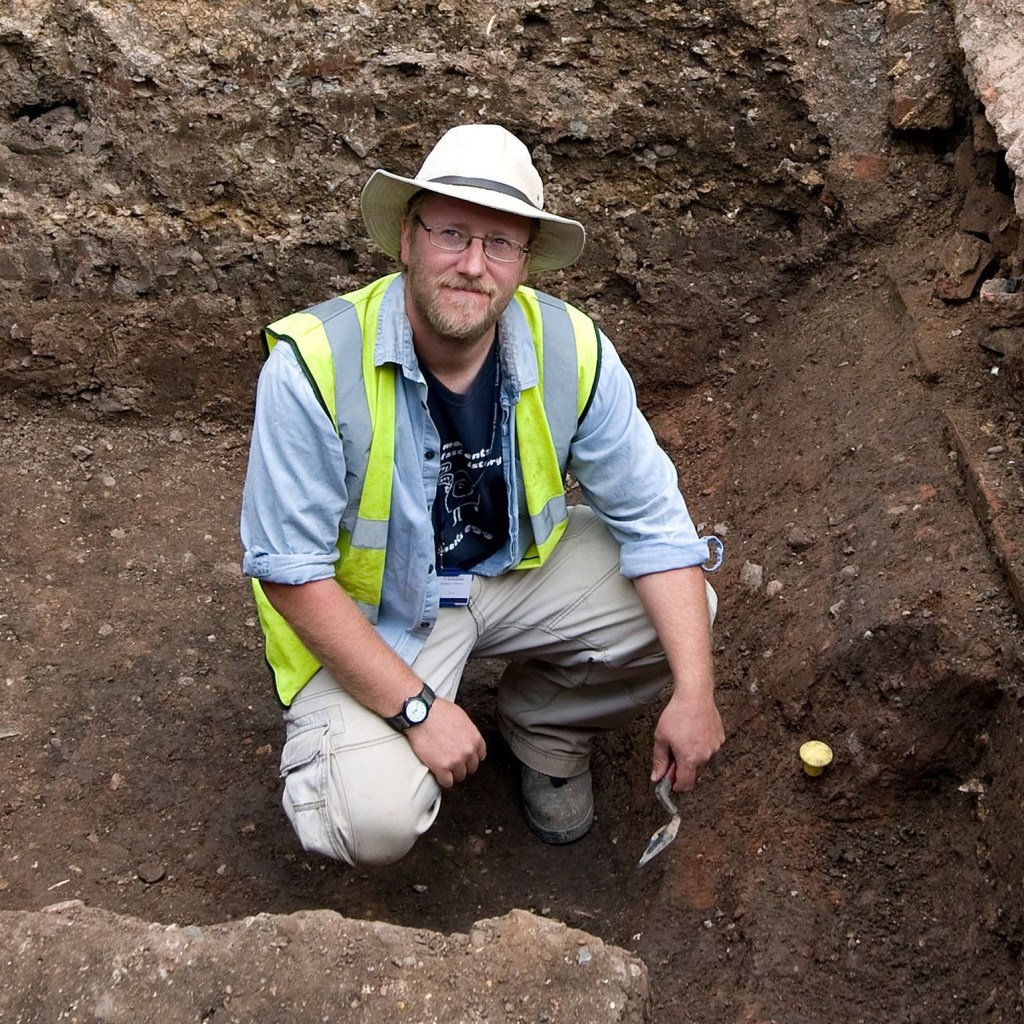
Mathew Morris is a University of Leicester graduate who has worked for ULAS since 2004. He has spent much of his career digging up Leicester and in 2012 he supervised the successful archaeological search for the lost grave of King Richard III.
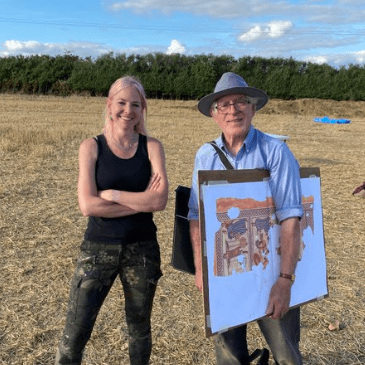
David Neal is a senior archaeologist and archaeological illustrator who was formerly Head of the English Heritage Archaeological Drawing Office. He is a recognised authority on mosaic pavements, and his illustrative work has been displayed in numerous exhibitions. The British Museum now holds a large assemblage of his mosaic paintings, and they have also been published in a series of volumes that detail the corpus of Roman mosaics discovered from Britain. David is a key member of the Rutland Villa Project team.
 ULAS News