Blog by John Thomas.
Since its original broadcast in January 1994, Time Team has brought amazing archaeological stories into the homes of millions and is rightly well-loved across the world for its informative and engaging format. What the programme has always excelled in is pushing new methods and ideas, and most importantly, encouraging people to get directly involved in their own heritage. This has all had a tremendous effect on how people view archaeology and has changed public perception of commercial archaeology enormously. In this blog, ULAS Deputy Director John Thomas looks back on Time Team’s legacy in Leicestershire and Rutland.
ULAS is only just a little younger than Time Team, but it was clear from a very early stage that the programme was changing ideas about the archaeological process as a result of its popularity. Regular questions such as ‘Have you found any gold?’ were replaced with ‘How long have you got?’, showing that the idea of time limits for our work was being better understood – although in fairness, people did also start to enquire about when Baldric would be turning up to help!
Time Team has now changed format again, but is no less popular, and they continue to explore new ways of promoting archaeology, so we’re thrilled to have worked with them on the new film documenting our student Fieldschool experience at Leicester. Our new colleague Dr Philippa Walton (also a regular contributor to the programme), is a great link to the new Time Team, as is John Gater who helped set the new programme up, but ULAS has a long history of working with the programme to bring fabulous stories from Leicestershire and Rutland that have in turn inspired future collaboration, engagement and research.
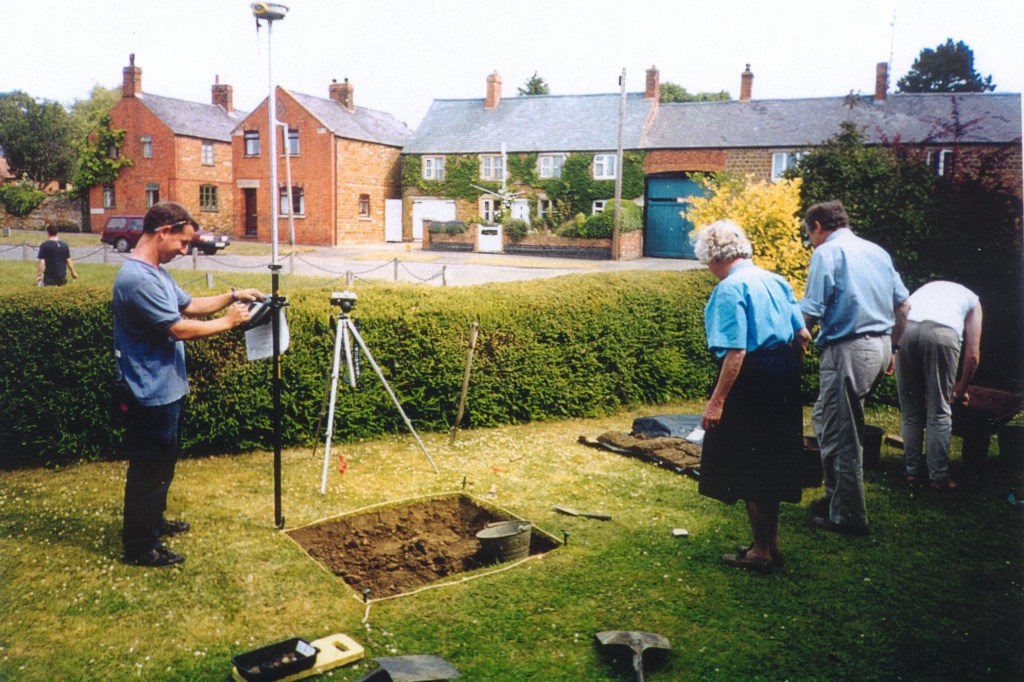
On Sunday June 22nd, 2003, a horde of archaeologists descended on the village of Great Easton in East Leicestershire, to introduce the Time Team ‘Big Dig’ – a way of involving people in their local heritage through test-pit excavations in their own gardens! The whole programme was broadcast live on a hot summers day and was a frenetic, but memorable experience for everyone involved, and there was a party-like atmosphere in the gardens across Great Easton. The project had great results too – highlighting concentrations of pottery and helping to identify key areas of the villages development – showing that even small-scale excavations, if the test-pit numbers are big enough can be informative.
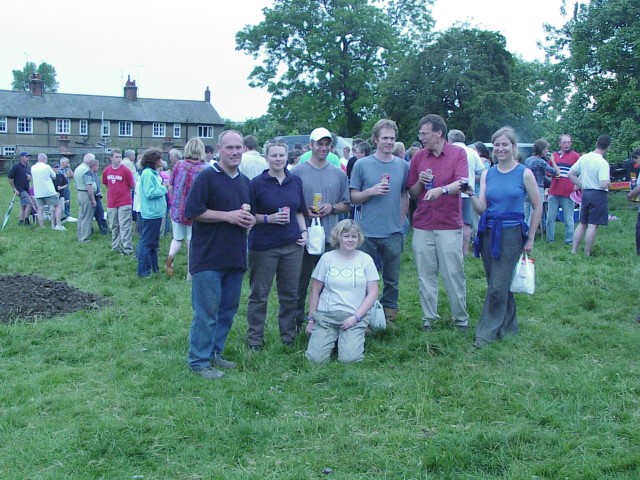
The Time Team ‘Big Dig’ was rolled out on several occasions and provided a model for community archaeology that has since been developed by the programmes own Carenza Lewis across villages in the east of England, and used locally by ULAS as part of successful community endeavours such as the Charnwood Roots and Bosworth Links projects.
By 2007, Time Team were still searching for a substantial Anglo-Saxon site to uncover, and a south Leicestershire site at Stonton Wyville (Season 15, Episode 8 Saxons on the Edge) was suggested by former County Archaeologist Peter Liddle. Fieldwalking by the Leicestershire Fieldworkers as part of a wider survey had found a rare concentration of Saxon pottery which promised a very large settlement below the plough soil, and this was a great opportunity to explore. True to form, the ‘geophys’ produced head-scratching results, with a series of enclosure ditches indicating Iron Age and Roman activity, which was later proven by excavation. However, eventually some good post hole plans of Saxon timber halls were discovered and one or two produced some lovely objects including a bone needle.
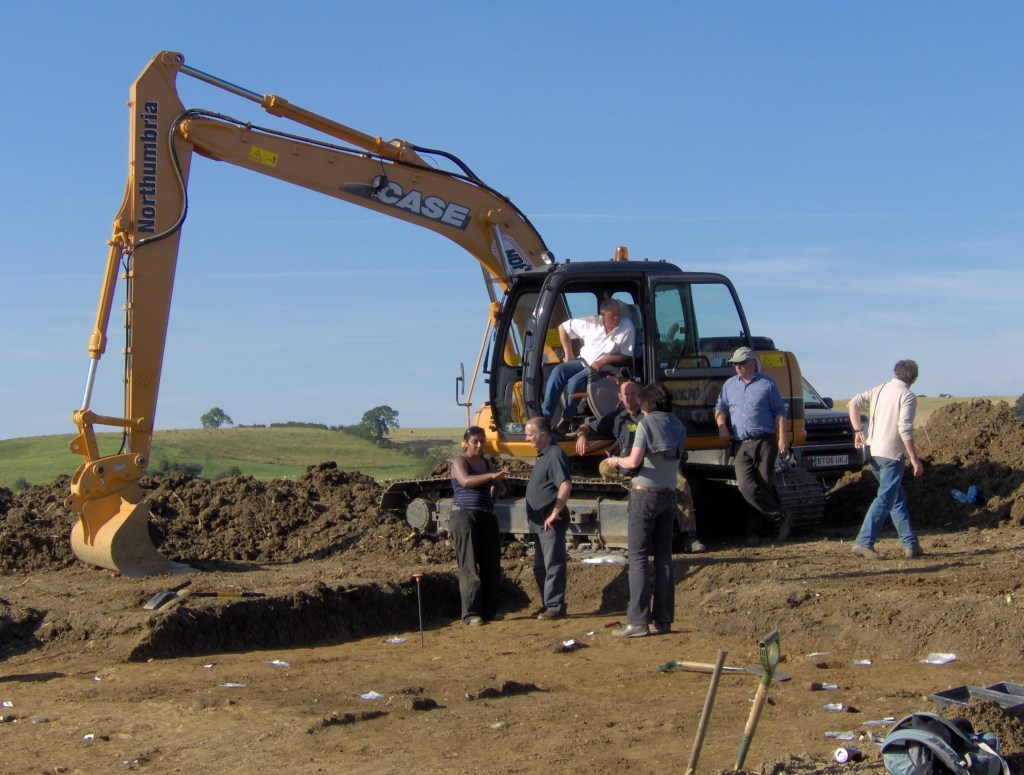
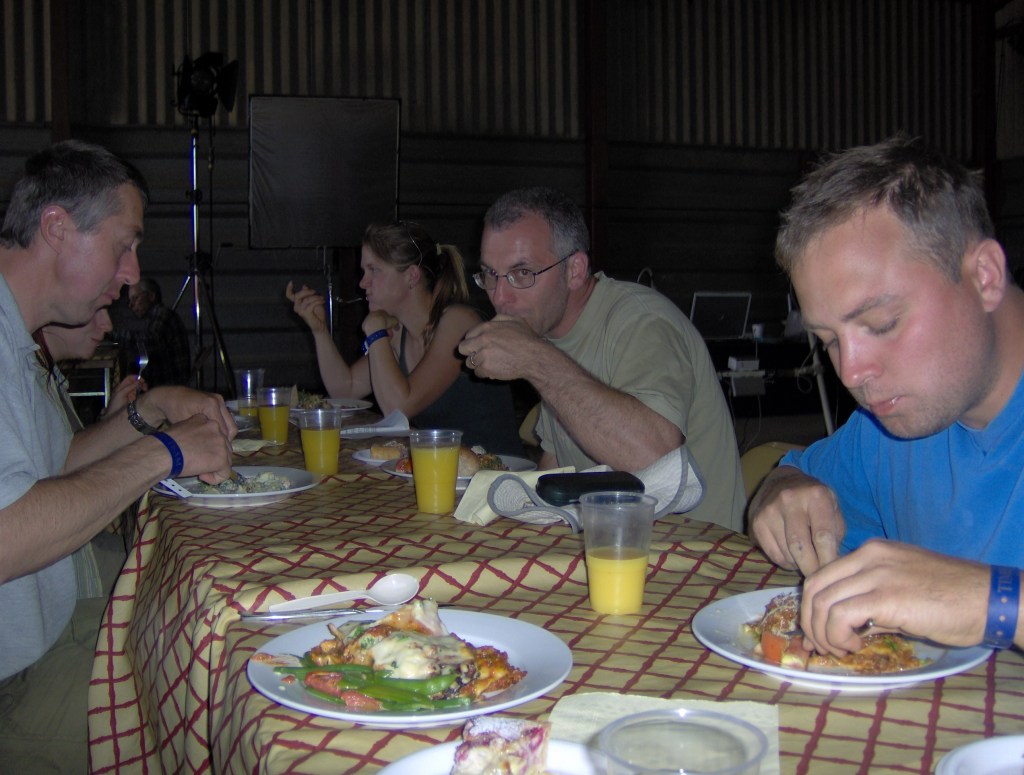
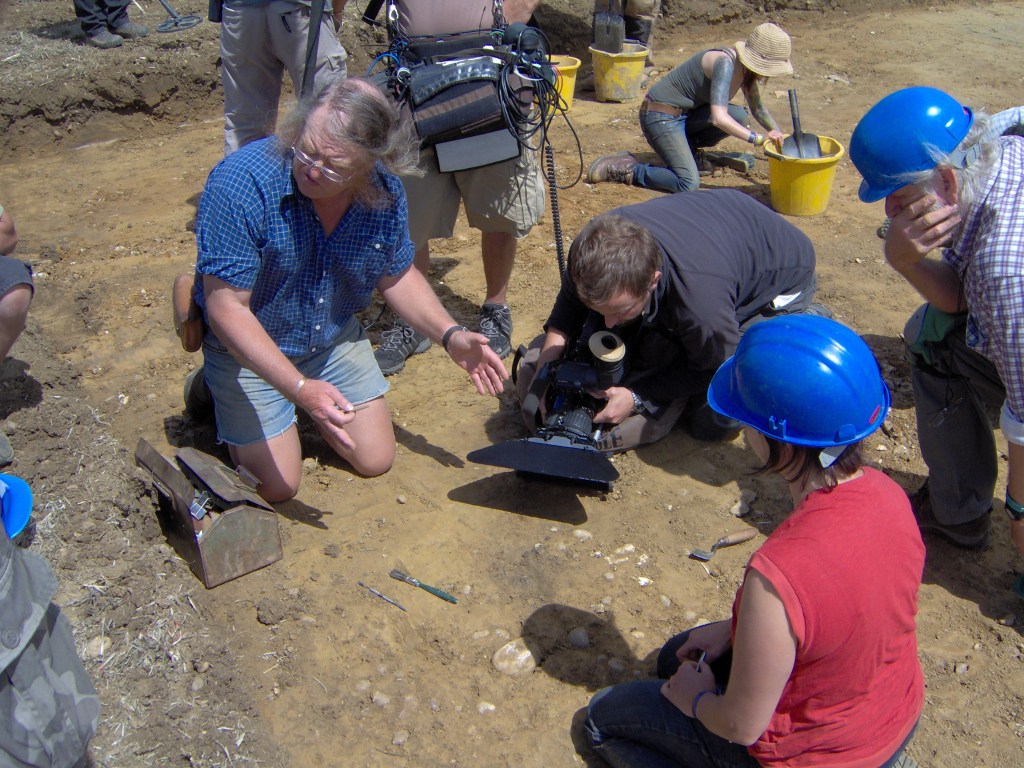
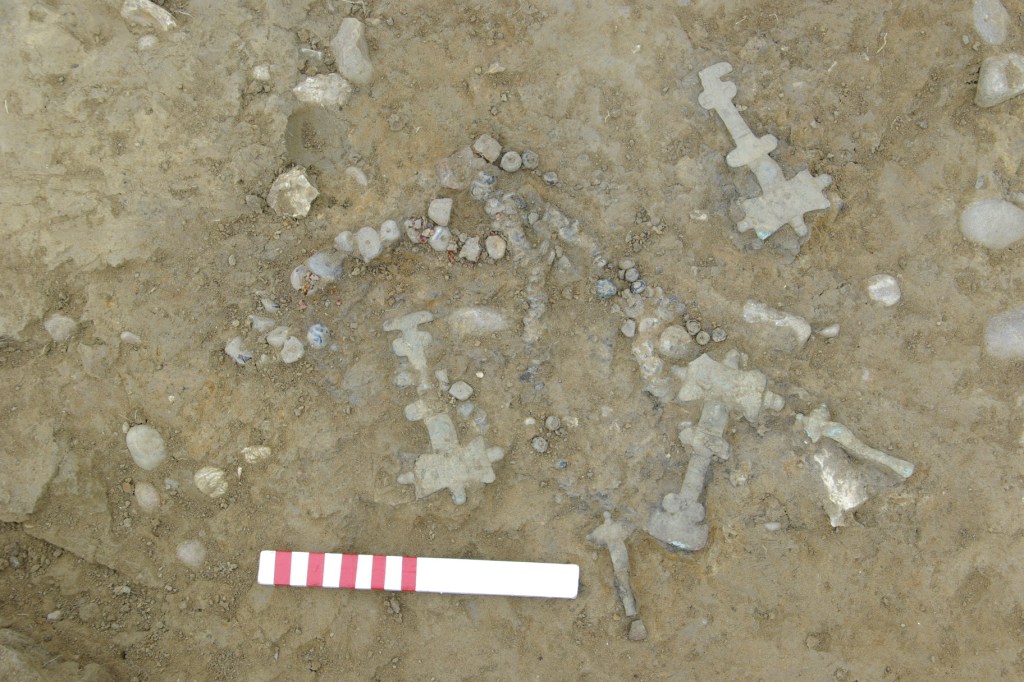
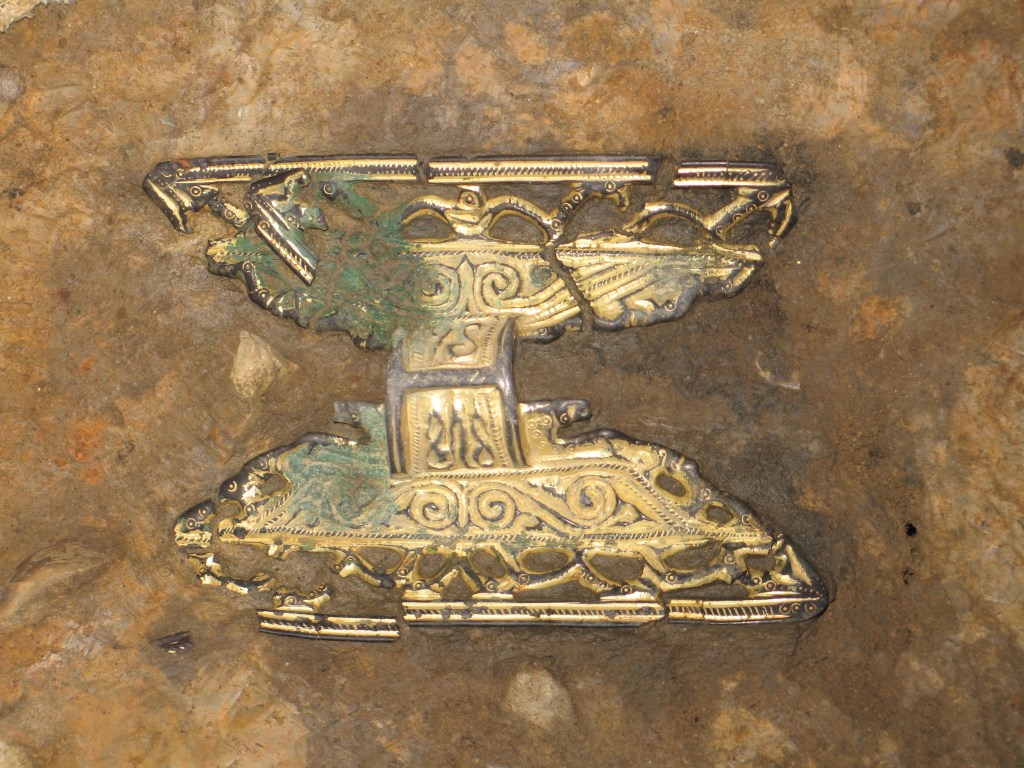
In 2010, Time Team returned to Leicestershire twice to investigate two very different sites for Series 18 of the programme. The first (Season 18, Episode 2 Saxons Death, Saxon Gold) revisited south Leicestershire and its Anglo-Saxon remains, to look more closely at another discovery by the Leicestershire Fieldworkers, this time a possible burial ground indicated by pottery and metalwork disturbed by ploughing. The excavations proved that an area of Saxon burials existed on the hilltop near West Langton, coinciding precisely with the fieldwalking scatter, and produced some spectacular jewellery including a lovely gilt equal armed brooch and a cluster of five brooches and associated bead necklaces which would otherwise have been lost to ploughing.
The second episode moved forwards in time to examine one of Leicestershire’s Scheduled Monuments, a Norman motte and bailey castle and medieval manorial site at Groby Old Hall (Season 18, Episode 7 House of the White Queen). The site had once belonged to the Grey family who have been extensively researched and written about by the historian and novelist Philippa Gregory. Limited work had previously taken place on the motte in the 1960s, but there were still plenty of questions about how the overall complex had developed. A very busy three days, and plenty of trenches, revealed much new information about Groby Old Hall, indicating that from its origins in the 11th century, focus shifted to a manorial complex around a courtyard in the 14th century and this was eventually replaced with a brick-built successor in the late 15th or early 16th century, the remains of which still stand as Groby Old Hall today.
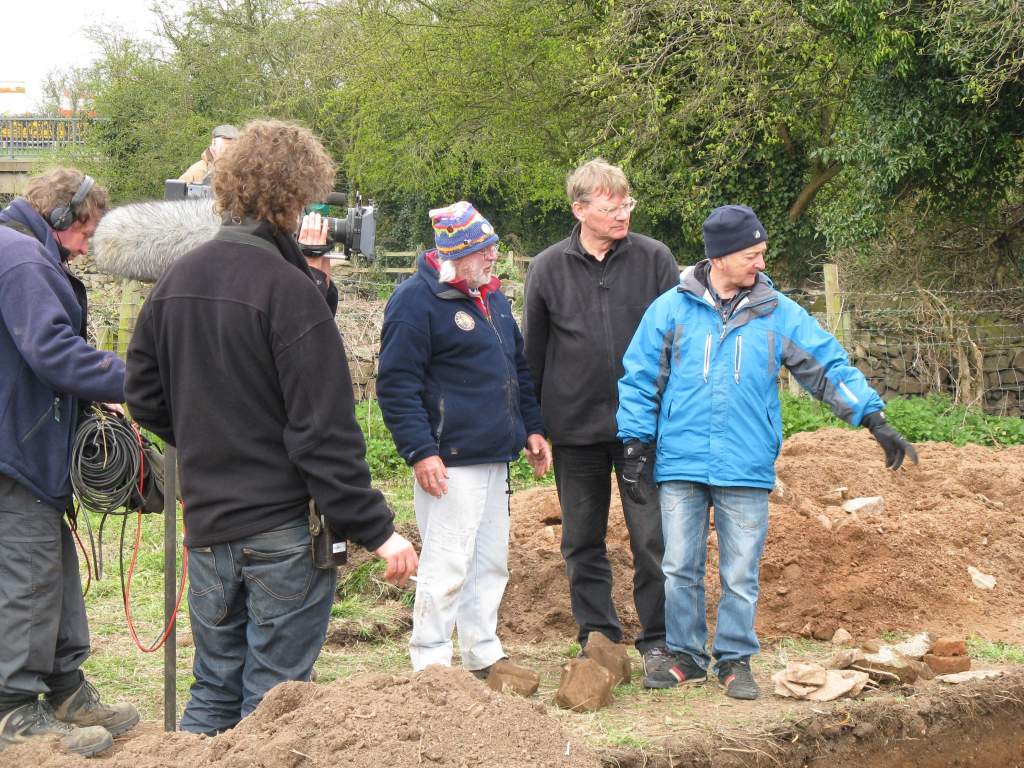
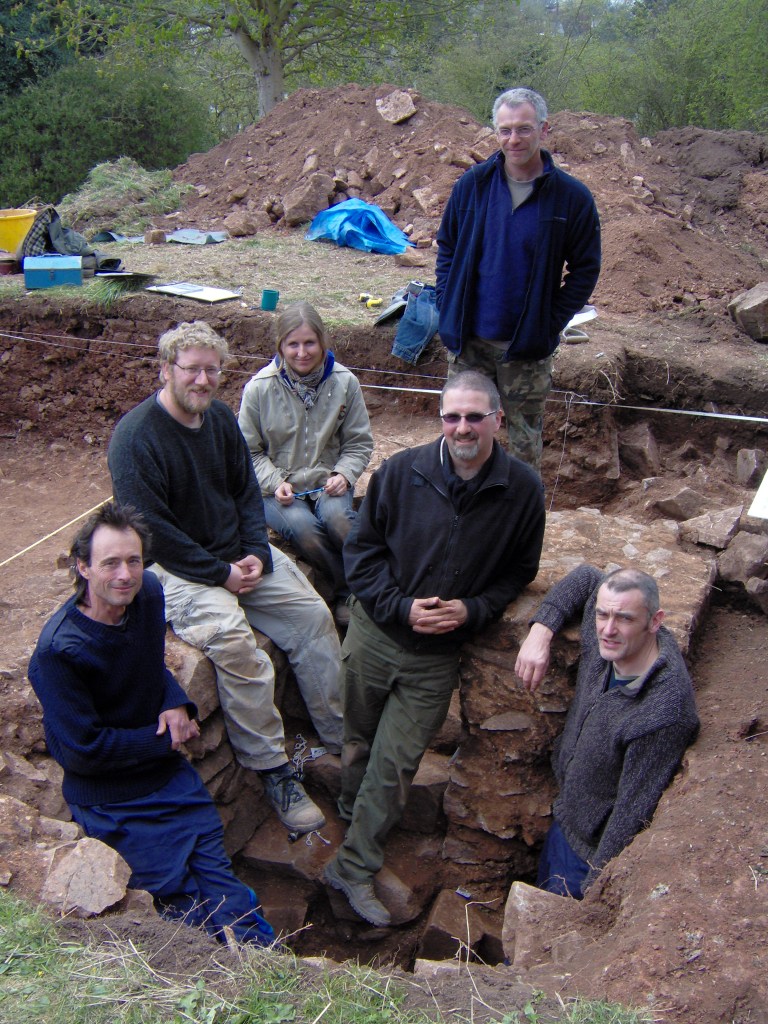
The final visit to our area from Time Team was to Oakham Castle when a series of trenches were excavated to get a better understanding of the castle’s layout (Series 20 Episode 7 The Horseshoe Hall). Unfortunately, ULAS were not directly involved in that project, but its legacy was that it inspired a fantastic community excavation within the castle bounds led by ULAS, that built on the Time Team results to develop the story of Oakham Castle for the benefit of enthusiasts and visitors alike.
All of the Leicestershire and Rutland episodes of Time Team are freely available to view on their YouTube channel and are easy to find. To date these programmes have taken the archaeology of our area to a worldwide audience of over 3 million people, promoting the shared enthusiasm that our heritage community has for its past, and showing the great benefits of collaborative working towards a shared goal.
We’re really pleased to have collaborated with Time Team once again to share the wonderful partnership that ULAS and the School of Archaeology & Ancient History have developed over the years to provide training for the archaeologists, and who knows, maybe some of the media presenters, of the future.
Find out more
If you want to find out more about these incredible sites, you can read the excavation reports via the links below:
Great Easton: TLAHS Article
Stonton Wyville: Wessex Archaeology Report
West Langton: Wessex Archaeology Report, TLAHS Article
Groby Old Hall: Wessex Archaeology Report, TLAHS Article
Oakham Castle: Wessex Archaeology Report, TLAHS Article

